Dogue de Bordeaux
"A gentle giant, loyal protector, and good-natured companion."
Overview
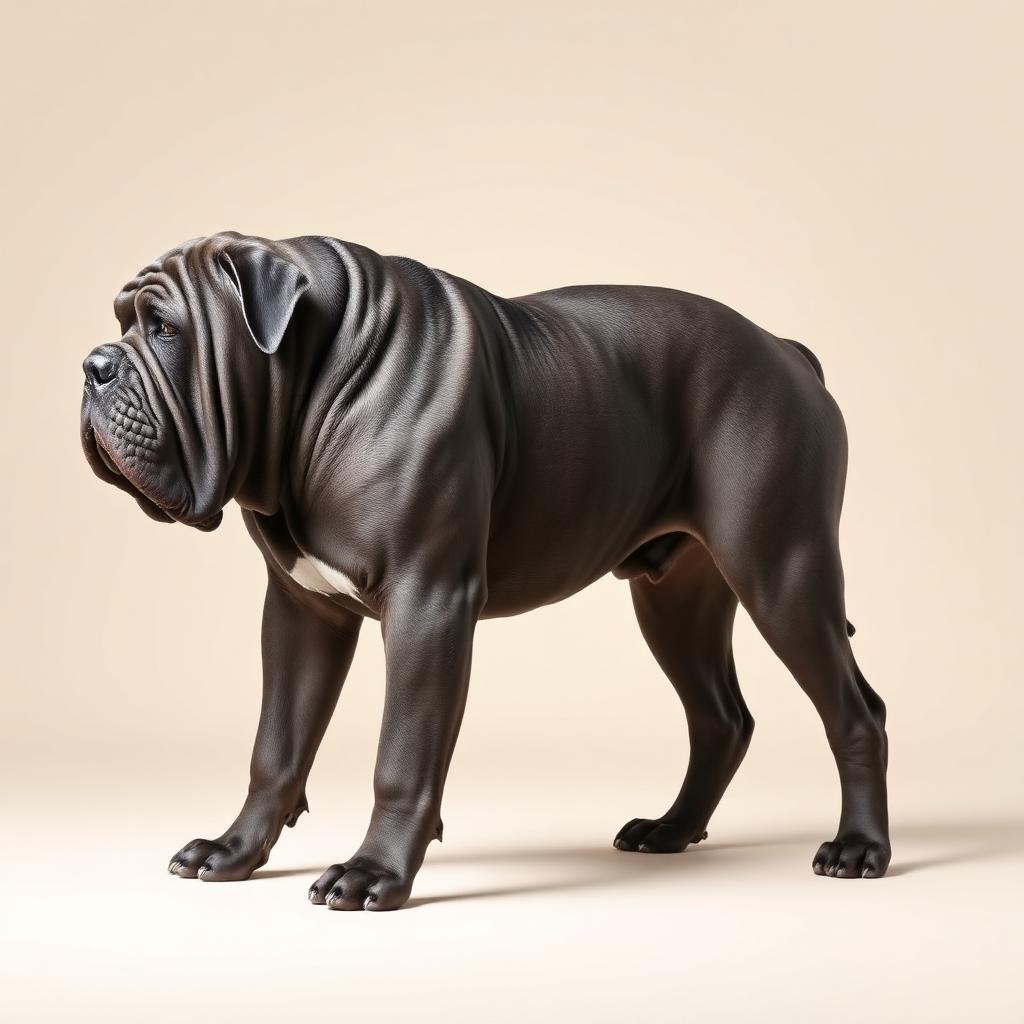
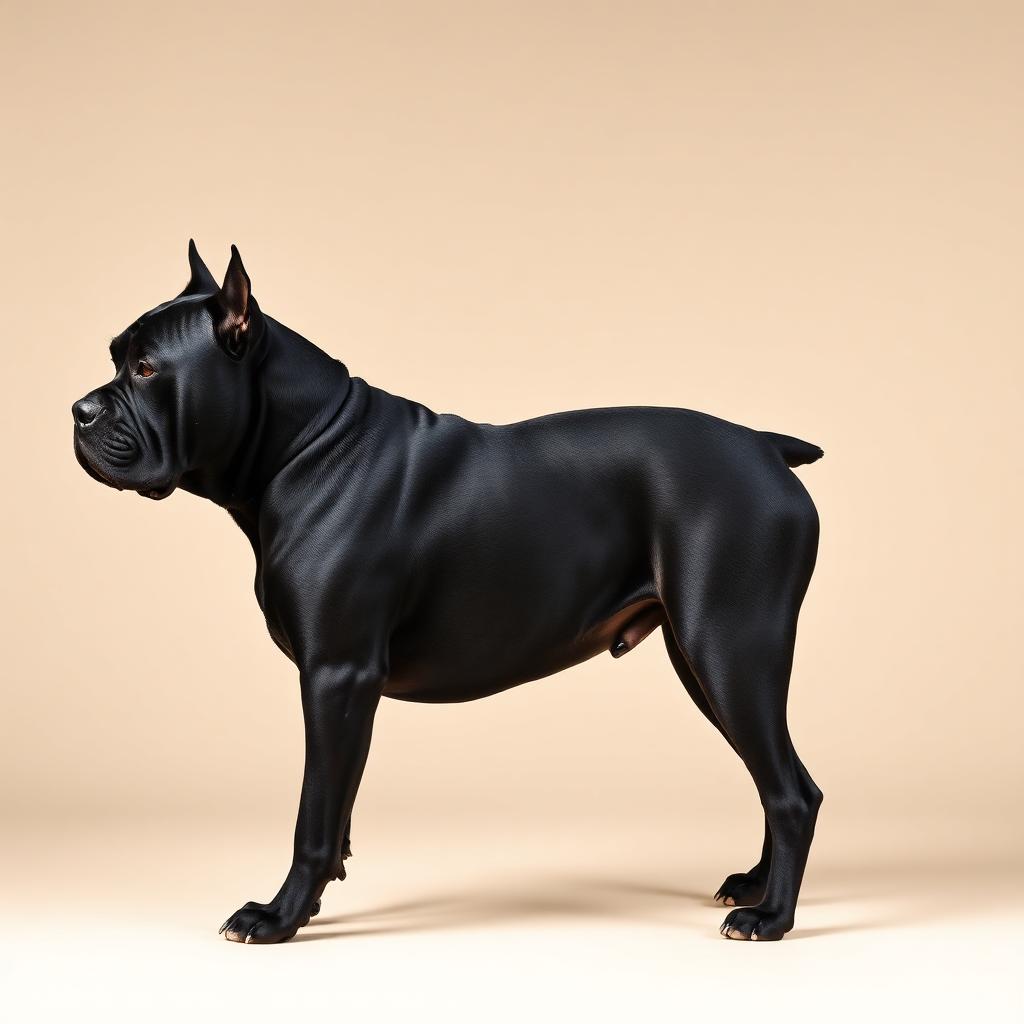
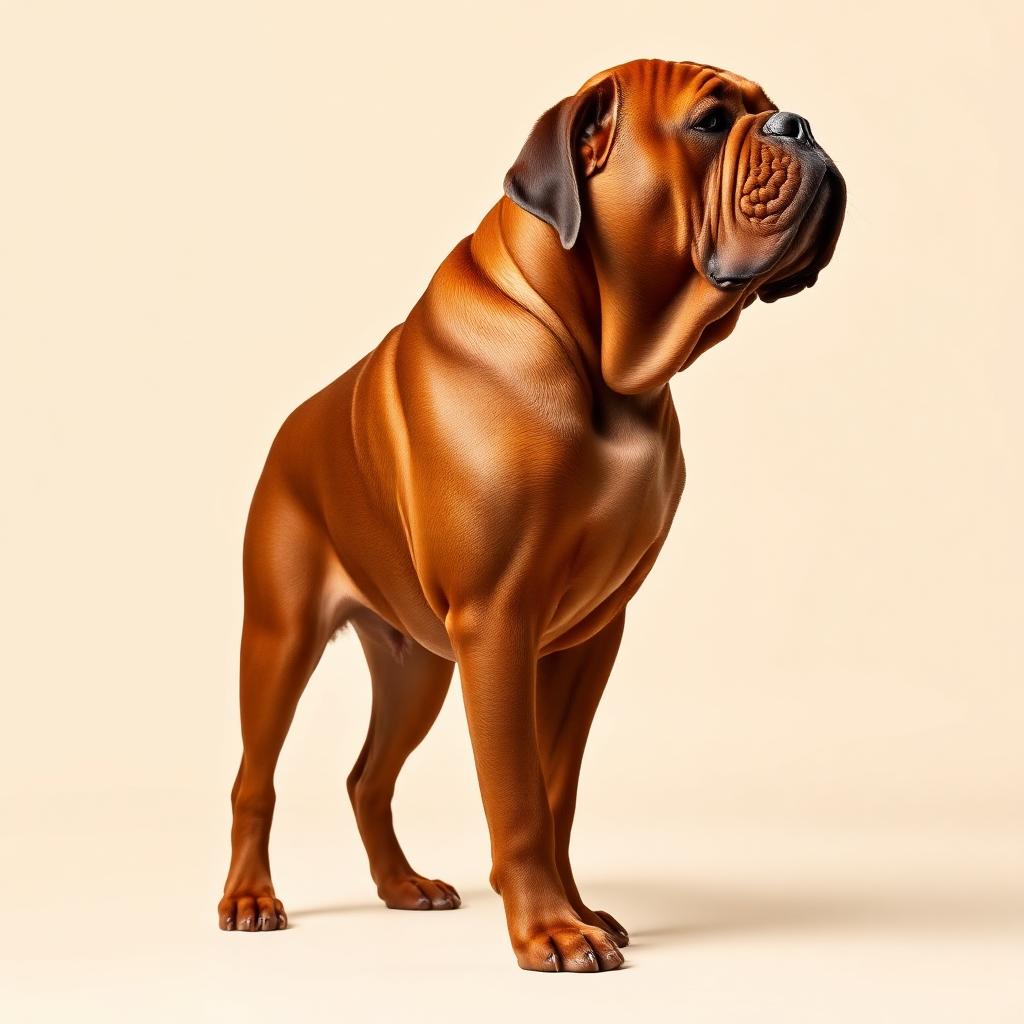
The Dogue de Bordeaux, also known as the French Mastiff, is a dog breed that, despite its imposing size and robust musculature, is a gentle giant with a heart of gold. Originating from France, this molossoid has earned admiration for its unwavering loyalty and affectionate nature. It is crucial to understand the peculiarities of this breed before bringing one into the family to ensure a happy and healthy coexistence.
Regarding their character, the Dogue de Bordeaux is a protective dog by nature, but not aggressive. Its balanced temperament makes it an excellent guardian of the home. With children, they are usually extraordinarily patient and affectionate, although their large size requires supervision to prevent accidental bumps due to their inertia. Early socialization and consistent training based on positive reinforcement are key from puppyhood to manage their strength and potential stubbornness. They need an experienced owner who knows how to set clear boundaries and is willing to dedicate time to them.
Health is a critical aspect of the Dogue de Bordeaux. They are prone to hip and elbow dysplasia, heart diseases (such as aortic stenosis or dilated cardiomyopathy), and gastric torsion. Their shorter lifespan (between 5 and 8 years) compared to other breeds underscores the importance of high-quality nutrition specifically for giant breeds and regular veterinary check-ups. The maintenance costs of a Dogue de Bordeaux are high, especially for food (over €90/month) and veterinary care, making a substantial budget essential. Exercise should be moderate; two daily walks and gentle play are sufficient, avoiding high-impact activities to protect their joints.
Grooming is relatively simple for the body (weekly brushing), but their characteristic facial wrinkles require daily cleaning to prevent skin infections. They also drool and snore considerably. In summary, the Dogue de Bordeaux is a breed for experienced owners willing to invest time, money, and effort in their training, socialization, and health. The reward is a faithful, loving companion and natural protector who will deeply integrate into the heart of their family.

Key facts
- Size
- Giant
- Weight
- 45–60 kg
- Life expectancy
- 5–8 years
- Daily exercise
- 60 min/day
- Estimated total
- 320€/month
- Country
- Francia / France
Character & temperament
The Dogue de Bordeaux is a dog of noble and balanced character, despite its imposing appearance. It is known for being extraordinarily loyal and dedicated to its family, forming very strong bonds with its caregivers. Its protective nature is innate, making them excellent guard dogs; they are always alert but not overly barky. With strangers, they tend to be reserved and distrustful at first, evaluating the situation before accepting the presence of someone new. However, once they perceive there is no danger, they can become very friendly. They are not aggressive by nature, but their great strength and size mean that any interaction must be supervised, and they need early and consistent socialization to learn to differentiate real threats from everyday situations. They are quite stubborn, requiring consistent, positive reinforcement training from puppyhood. They appreciate human companionship and dislike being alone; they can develop separation anxiety if left alone for prolonged periods, manifesting in destructive behaviors. They tend to be calm indoors, preferring to lie near their owners. Despite their robustness, the Dogue de Bordeaux is sensitive to their family's moods and will respond with affection if they feel loved. Their character is a fascinating mix of outer toughness and inner sweetness, making them invaluable companions for the right family.
Living with children
Despite their formidable size, the Dogue de Bordeaux can be an exceptional companion for children in the home, provided certain conditions are met. They often display remarkable patience and a protective instinct towards 'their' children, treating them with a sweetness and tolerance that belies their rugged appearance. It's not uncommon to see them act as giant nannies, watching over and protecting the little ones with great devotion. However, the size and strength of an adult Dogue are considerable, meaning that even in innocent play, they could accidentally knock over a small child. For this reason, supervision of interactions is crucial, especially with very young children. It is essential to teach children how to treat the dog with respect, avoiding pulling ears or tails, and to recognize signals that the dog needs space. Early socialization of the Dogue puppy with children of all ages is vital for them to learn to interact appropriately and safely. Furthermore, the Dogue needs to be trained for good manners, such as not jumping and not nipping, from an early age. With proper education for both the dog and the children, the Dogue de Bordeaux can be a loyal friend, a protector, and a much-loved family member, offering children a constant figure of stability and affection. Their calm nature within the home also contributes to harmonious coexistence.
With other pets
The Dogue de Bordeaux's coexistence with other pets largely depends on early and adequate socialization. If raised with other dogs or cats from puppyhood, they are likely to accept them as part of their family 'pack' and can coexist harmoniously. However, their strong protective instinct can lead them to be dominant with other dogs, especially of the same sex. With smaller pets, such as rodents or birds, their prey drive might emerge, so supervision is essential. Introducing an adult Dogue into a home with other pets can be more challenging and require patience and gradual, controlled introductions. It is crucial to ensure the Dogue understands their place in the household hierarchy to avoid conflicts.
Health & prevention
The health of the Dogue de Bordeaux requires special attention due to the breed's genetic predispositions and large size. One of the most common concerns is hip and elbow dysplasia, a painful orthopedic condition that can severely affect their mobility. It is crucial for breeders to conduct health screenings on the parents. They are also prone to heart diseases, such as dilated cardiomyopathy or aortic stenosis, so regular veterinary check-ups including cardiac ultrasounds are advisable. Gastric torsion, or bloat, is a medical emergency that affects deep-chested breeds, and it is vital to know the symptoms and act quickly if it occurs. Due to their facial folds, they are susceptible to skin and eye infections, requiring daily, careful cleaning. Allergies are also relatively common in this breed. Their lifespan is shorter than many other breeds, generally between 5 and 8 years, which emphasizes the importance of high-quality nutrition, appropriate exercise that doesn't overstress their joints, and regular veterinary visits to detect and manage any health issues early. Weight control is also fundamental to avoid adding stress to their joints and organs. Purchasing from responsible breeders who perform comprehensive genetic and health screenings is the best way to ensure as healthy a puppy as possible.
Health risks
- •Heart disease
- •Hip dysplasia
- •Cancer
Care
Nutrition
The nutrition of the Dogue de Bordeaux is crucial for their health and development, especially during growth, due to their large size and rapid growth rate. They need a high-quality diet, specifically formulated for giant breeds, that supports bone and joint development without promoting too rapid growth that could exacerbate skeletal problems like dysplasia. Food should be rich in quality proteins and contain adequate levels of calcium and phosphorus. It is recommended to divide meals into two or three daily feedings to reduce the risk of gastric torsion. Avoiding intense exercise before and after eating is also important. Their large size implies a considerable food intake, which must be reflected in the family budget. Supplements like chondroprotectives can be beneficial for joints, but always under veterinary supervision. Consistent hydration is vital.
Grooming & hygiene
The Dogue de Bordeaux has a short, close-lying coat, which simplifies grooming compared to other breeds. A weekly brushing with a rubber glove or a soft-bristle brush is sufficient to remove loose hair and keep the coat shiny and healthy. However, the most distinctive feature requiring more attention is their abundant facial wrinkles. These wrinkles must be cleaned daily with a damp cotton ball or a dog wipe to prevent the accumulation of moisture, dirt, and bacteria, which could lead to skin infections (intertrigo). It is also crucial to clean around the eyes and inside the nose folds. Additionally, ears should be checked and cleaned regularly to prevent ear infections. Nail trimming should be done as needed, generally every 2-4 weeks, to prevent them from growing too long and causing discomfort. Dental hygiene with regular brushing is also important to prevent periodontal diseases. Baths should not be too frequent to avoid drying out their skin, only when necessary, using a specific dog shampoo.
Exercise & training
Exercise plan
Although the Dogue de Bordeaux is a large dog, their exercise needs are moderate. They are not high-performance athletes or dogs that need to run marathons. A couple of daily walks of 20-30 minutes at a leisurely pace and some playtime in a safe space are generally sufficient to keep them fit and happy. It is important to avoid intense exercise, especially in puppies, to protect their developing joints and prevent problems like dysplasia. High-impact activities, such as excessive jumping or prolonged running, should be avoided. In warm climates, walks should be done during the coolest hours of the day to prevent overheating, as, due to their short muzzle, they are prone to heatstroke. They also enjoy gentle playtime in the garden if the temperature is suitable. Regular exercise is vital to maintain a healthy weight, which is crucial for the longevity and joint health of this breed.
Training
Dogue de Bordeaux training should start as soon as they arrive home and be consistent and firm, but always with positive reinforcement. Their size and strength make it imperative that they learn good manners and basic obedience from puppyhood. They are intelligent dogs, but can be somewhat stubborn, so patience and consistency are key. Early socialization is crucial; exposing the puppy to a variety of people, places, sounds, and other dogs and animals in a positive way will help them grow into a well-adjusted and confident adult. Leash training is vital, as an adult Dogue de Bordeaux pulling on the leash can be difficult to control. Obedience training should focus on commands like 'sit', 'stay', 'come', and 'heel'. Given their protective nature, it's important to train them to distinguish between a real threat and a harmless visitor. Puppy classes and professional training can be very beneficial, especially for first-time owners of large breeds. Punishment-based training methods should never be used, as they can damage their sensitive temperament and trust.
Monthly cost
The combined costs are formidable. Their prophylactic expenditures, medicinal dosages scaling purely by massive body weight, and the premium quality of their giant kibble will command a considerable chunk of your budget; you realistically must maintain savings for cardiac or oncological surprises.
Estimate for Spain, healthy adult dog. Varies by region and provider.
Pros & cons
Pros
- ✓Extremely loyal and protective of their family.
- ✓Gentle and patient with children in their home.
- ✓Calm and relaxed indoors.
- ✓Not excessive barkers, despite being good guardians.
- ✓Relatively low grooming maintenance.
Cons
- !Very high maintenance costs due to their size and needs.
- !Shorter lifespan compared to other breeds.
- !Prone to serious health issues like dysplasia and heart disease.
- !Require an experienced owner and rigorous socialization.
- !Drool and snore considerably, and their wrinkles demand daily cleaning.
Ideal for
- • Families experienced with large breeds looking for a guardian and companion dog.
- • Homes where someone is present most of the day.
- • Owners willing to invest in their health and diet.
- • Individuals seeking a strong and affectionate bond with their pet.
Not recommended for
- • First-time owners or individuals unable to handle a large, strong dog.
- • Households with very tight budgets for food and vet care.
- • People looking for a companion for running or high-intensity activities.
- • Those who value impeccable order and cleanliness (they drool and shed).
How it fits each scenario
Possible in a large apartment if they get enough outdoor exercise and are not left alone for long, but limited space might not be ideal for a dog of their size.
This is the ideal environment, with a secure garden where they can stretch their legs and enjoy the outdoors, always supervised in warm climates and with companionship.
Not suitable for hot climates due to their brachycephaly and size. They must live indoors with air conditioning and only go out during the coolest hours.
Their short coat does not protect them well from extreme cold; they need shelter and protection in harsh winters, preferably living indoors.
With constant supervision, they are patient, but their inertia could accidentally knock over a small child. Requires education for both the dog and the children.
Generally get along well with school-aged children. They are good playmates, provided they have been taught to interact with respect and care.
Not recommended for first-time owners. Their size, strength, potential health issues, and stubborn temperament require experience and commitment.
Ideal for owners experienced in raising large dogs or molossoids, who understand their training, socialization, and health needs.
A moderately active family is suitable, as they need daily walks, but they are not companions for intense jogging or long-distance hiking.
A very busy family is not ideal. They need constant companionship and attention to avoid separation anxiety and develop a strong bond.
Not considered hypoallergenic. They shed hair and produce dander, which can trigger reactions in people with allergies.
Absolutely not. Food, vet, and insurance costs are very high. They require a substantial family budget for a decent life.
Origin & history
It is one of the most ancient French breeds, descending directly from imposing Roman mastiffs and Alans bred for war. Historically, they were put to work protecting noble castles, hunting large game such as wild boars, and even herding and guarding cattle.
The Dogue de Bordeaux gained global popularity thanks to the 1989 film 'Turner & Hooch', starring Tom Hanks alongside a drooling specimen of the breed.
Frequently asked questions
Is the Dogue de Bordeaux suitable for apartment living?▾
While they can adapt, it's not ideal. A Dogue de Bordeaux needs space to move comfortably due to its size. If living in an apartment, it's imperative that they receive quality daily walks and have access to a safe outdoor space. Additionally, being prone to joint problems, constantly going up and down stairs can be detrimental. You should consider their tendency to drool and their sometimes-loud snoring before making a decision in a small living environment.
How much exercise does a Dogue de Bordeaux need?▾
Despite their size, their exercise needs are moderate. Two daily walks of 20-30 minutes at a leisurely pace are usually sufficient, complemented by playtime in a secure space. It's crucial to avoid intense or prolonged exercise, especially when they are young, to protect their developing joints. In warm climates, walks should be in the early morning or late evening to prevent heatstroke due to their brachycephalic nature.
How often should I clean my Dogue de Bordeaux's wrinkles?▾
The facial wrinkles of the Dogue de Bordeaux should be cleaned daily. This is essential to prevent the accumulation of moisture, dirt, and bacteria, which can lead to painful skin infections. Use a soft, damp cloth or specific dog wipes. Pay close attention to the deep folds around the muzzle and eyes. Careful drying after cleaning is also important to prevent irritation.
Are Dogue de Bordeaux good with children?▾
Yes, they are generally very good with children in their family. They are remarkably patient, protective, and affectionate, often acting as giant 'nannies'. However, due to their large size and strength, all interactions must be supervised, especially with very young children, to prevent accidental bumps. It is vital to teach children to respect the dog and the dog to have good manners, such as not jumping and not nipping.
What health issues are common in the Dogue de Bordeaux?▾
They are prone to various health conditions, including hip and elbow dysplasia, heart diseases like cardiomyopathy, and gastric torsion. They can also suffer from entropion/ectropion in their eyes and skin issues in their deep wrinkles. Their lifespan is relatively short, between 5 and 8 years. It is crucial to choose a responsible breeder who performs health screenings and maintain regular preventive veterinary visits.
What is the approximate monthly cost of owning a Dogue de Bordeaux?▾
The monthly cost of a Dogue de Bordeaux is considerable, averaging €320 per month. Food, due to their size, is the largest expense, potentially exceeding €90 per month for quality food. Veterinary expenses are also high, including check-ups and potential treatments for common breed health conditions. Additionally, insurance, toys, dog walkers, or unforeseen expenses must be considered. They require a substantial family budget.
What type of training is best for a Dogue de Bordeaux?▾
Training must be consistent, patient, and use positive reinforcement from an early age. They are intelligent but can be stubborn, so calm firmness is key. Extensive socialization is fundamental for them to learn to interact correctly with people and other animals. Given their strength, basic obedience training and leash handling are crucial for effective and safe control. Consider professional training classes.
Can I travel with my Dogue de Bordeaux?▾
Traveling with a Dogue de Bordeaux can be challenging due to their size and potential for motion sickness or stress. For car trips, they will need a large, secure crate or an appropriate harness and a well-ventilated space. On planes, most airlines require them to travel in cargo in an approved crate, which can be stressful and, for brachycephalic breeds, poses health risks due to high temperatures. Always check specific regulations before planning a trip.