Neapolitan Mastiff
"Majestic guardian, loyal protector with a gentle heart."
Overview
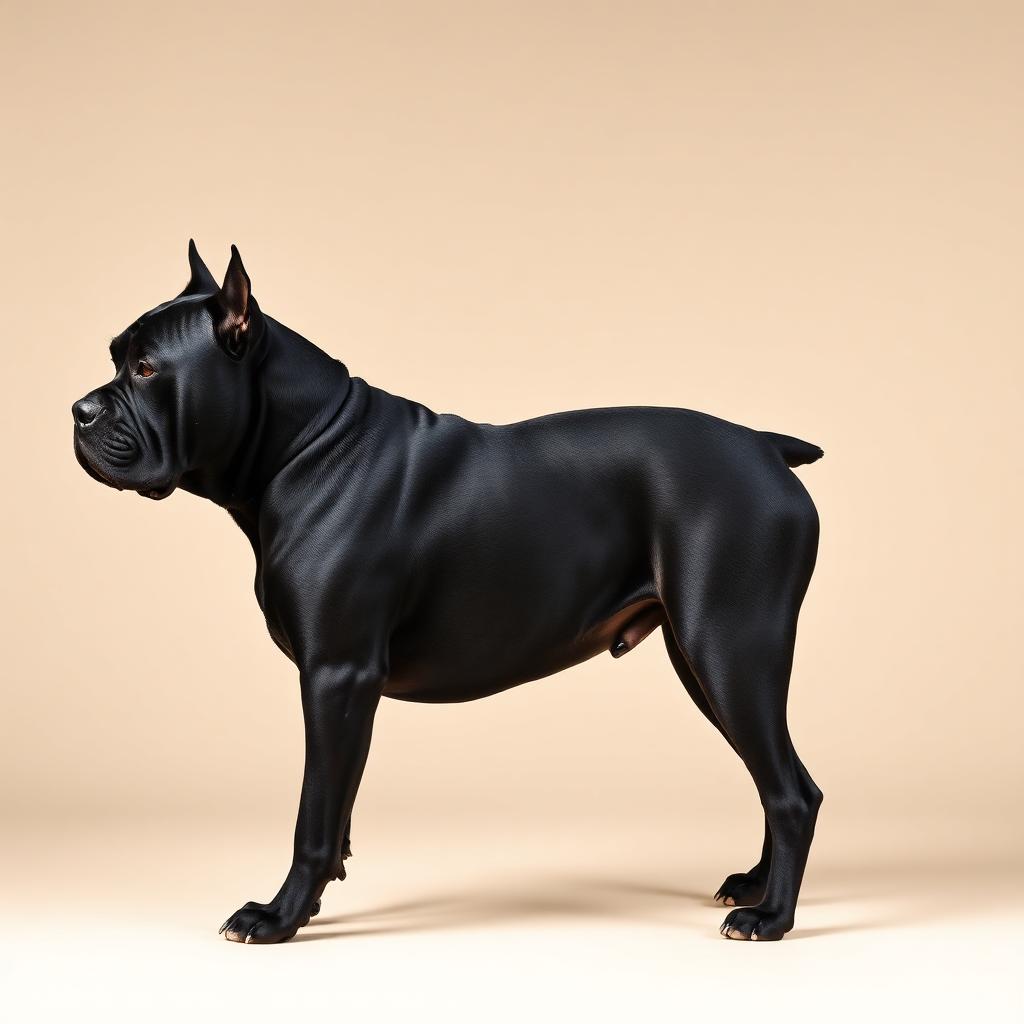
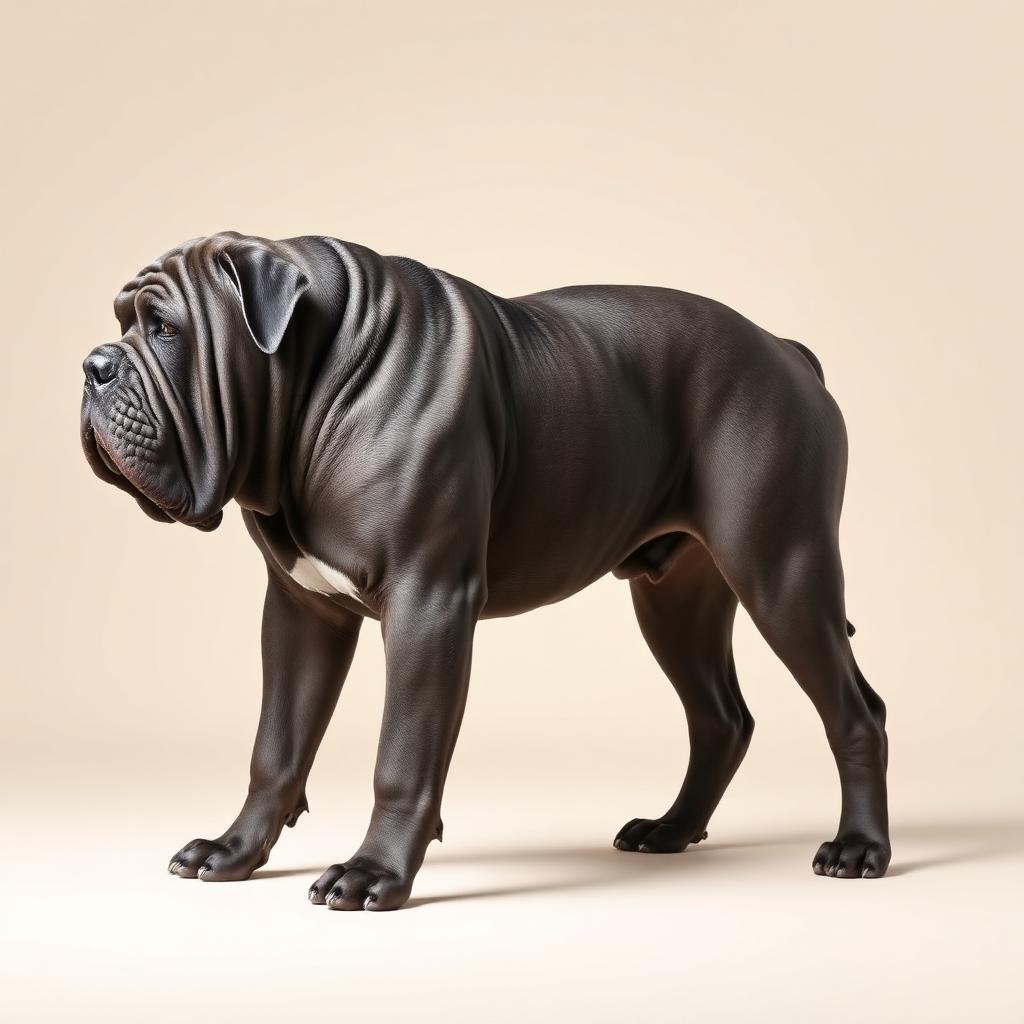
The Neapolitan Mastiff is an imposing dog breed, known for its large size, wrinkled appearance, and loyal temperament. Originating from Italy, this giant molosser descends from ancient Roman war dogs, being a natural guardian and a devoted protector of its family. It is one of the oldest and most distinctive breeds in its molosser lineage. Its presence is majestic, characterized by a massive body, loose skin that forms distinctive folds on the face and body, and a serious, vigilant expression that only conveys the love and dedication it has for its own.
If you are considering adopting a Neapolitan Mastiff, it is crucial to understand that it is not a pet for just anyone. Its training and socialization must begin from a very young age and be consistent to ensure a balanced character. Given its strength and weight, firm and patient education is essential. They are dogs that can be surprisingly gentle with their family's children if raised with them and taught to interact correctly, although their size always demands supervision. With other dogs and pets, coexistence can be good if socialized from a puppy, but their strong territorial and guarding instinct requires careful management.
Regarding its health, the Neapolitan Mastiff is prone to certain conditions common in giant breeds, such as hip and elbow dysplasia, dilated cardiomyopathy, and the dreaded gastric torsion. Its wrinkled skin also requires daily cleaning to prevent skin infections. Its exercise needs are moderate; it benefits from regular, calm walks, but they are not dogs for intense activities. Grooming its coat is minimal, but cleaning its folds and managing drooling are important aspects to consider. A home with space, an experienced owner, and constant dedication to its well-being and education are key to the happy life of a Neapolitan Mastiff, which will be a faithful companion and an unparalleled protector.
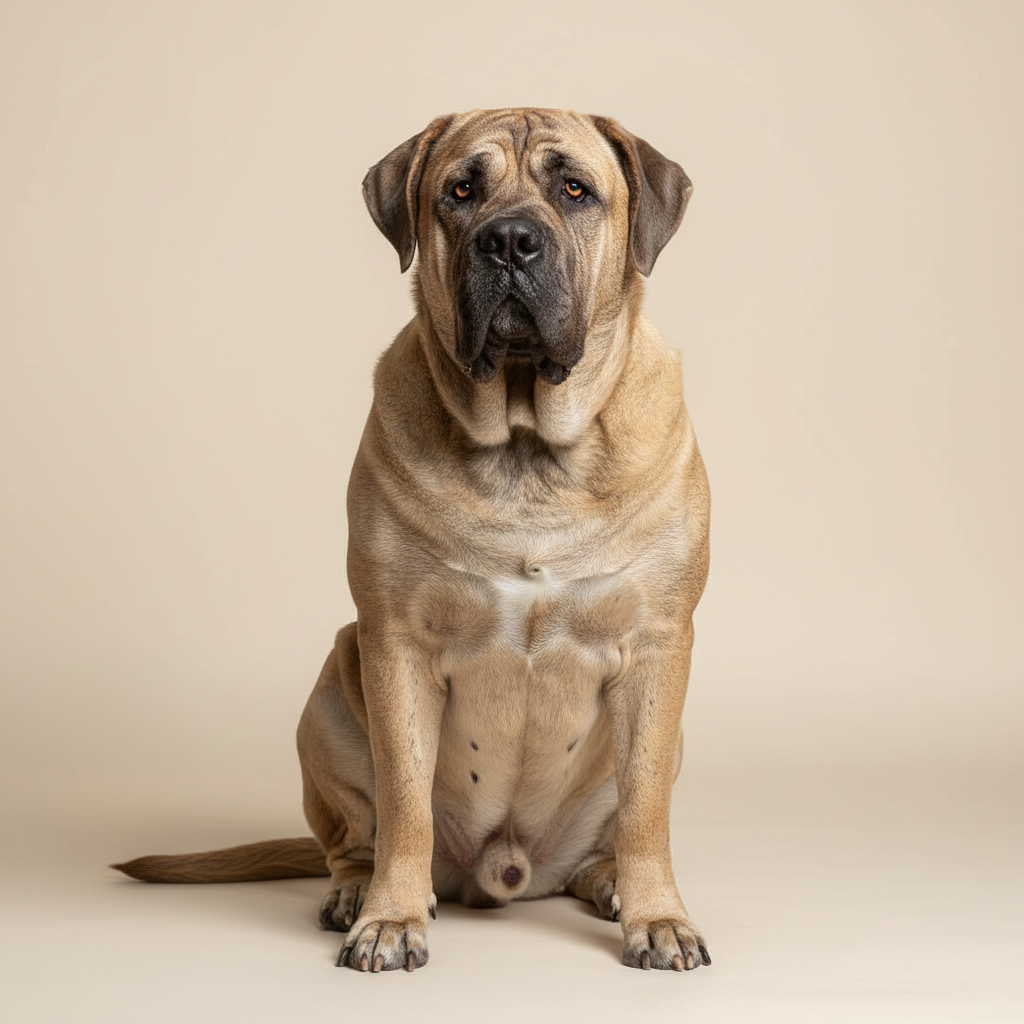
Key facts
- Size
- Giant
- Weight
- 50–70 kg
- Life expectancy
- 7–9 years
- Daily exercise
- 45 min/day
- Estimated total
- 270€/month
- Country
- Italia / Italy
Character & temperament
The Neapolitan Mastiff has a complex and fascinating character, a blend of nobility, loyalty, and profound calm. It is an extremely faithful and devoted dog to its family, which it considers its pack and protector. Its most distinctive trait is its guarding instinct: it is intrinsically protective of its home and loved ones, and will not hesitate to interpose itself against any perceived threat. It possesses extraordinary patience with its family members, especially with children it knows and trusts, showing surprising gentleness for its size. However, its protective nature makes it wary of strangers; early and constant socialization is essential for it to learn to distinguish between a friendly visitor and a real threat. It is not a dog that constantly seeks attention, preferring instead to observe and be close to its family discreetly. They are thinkers, not impulsively reactive, and will often display calm and serene behavior until a situation demands their intervention. Despite their size, they are not overly energetic dogs; they enjoy periods of rest as much as moderate walks. Their intelligence is manifested in their ability to learn and remember, although they can be somewhat stubborn if they don't see a purpose in what is asked of them. The key to a balanced Neapolitan Mastiff is firm, fair, and consistent education, based on mutual respect. They need an owner who understands molosser canine psychology and can establish themselves as the pack leader, offering security and direction. A well-educated Neapolitan Mastiff is a loyal companion, an unparalleled guardian, and a deeply affectionate family member.
Living with children
The coexistence of the Neapolitan Mastiff with children is a topic that requires special consideration. While their size and appearance can seem intimidating, a well-socialized and educated Neapolitan Mastiff can be surprisingly gentle and patient with children in its own family. They often show remarkable tolerance towards youngsters, allowing them to interact under supervision. However, it's crucial to understand that, due to their enormous size and strength, even innocent play can accidentally be too rough for a child, so adult supervision is always indispensable. A Neapolitan Mastiff should never be left alone with small children unsupervised, not out of malice, but due to the possibility of an accident. It is fundamental to teach children how to interact respectfully with the dog, without pulling ears, climbing on it, or disturbing it while it eats or sleeps. Early socialization of the puppy with children is vital for it to learn to recognize them as part of its "pack" and to differentiate their behavior from other contexts. For children not part of its family, the situation is different. The Neapolitan Mastiff's protective instinct can lead it to be wary or even protective of its family's children against other children, interpreting their exuberance or play as a threat. Any interaction must be carefully managed and supervised. In a home where it is raised with children from puppyhood and provided with proper education and socialization, the Neapolitan Mastiff can be a loyal companion and a loving protector, transforming into a giant, vigilant "nanny."
With other pets
Living with other pets requires careful and early socialization for the **Neapolitan Mastiff**. They can coexist peacefully with other dogs and cats if raised together from puppyhood and taught to respect their boundaries, though their size is always a factor to consider. However, their strong territorial and prey drive can make relationships with smaller pets like rodents or birds difficult, as they may view them as potential prey. Introductions must be gradual and always supervised, ensuring the Mastiff understands these animals are also part of the household. With other dogs, especially same-sex canines, dominance issues may arise, so firm and consistent training is essential to prevent conflicts.
Health & prevention
Neapolitan Mastiffs, like many giant breeds, are prone to certain health conditions. Hip and elbow dysplasia are significant concerns, making it vital to acquire puppies from responsible breeders who screen parent dogs. Dilated cardiomyopathy is another serious heart condition common in the breed. They are also susceptible to ophthalmic problems such as entropion and ectropion, which may require surgical correction. Due to their loose, wrinkled skin, they are prone to skin infections and intertrigo dermatitis (in the folds), demanding meticulous hygiene. Gastrointestinal issues, including gastric torsion (or gastric dilatation-volvulus syndrome), are a life-threatening medical emergency requiring immediate veterinary attention; feeding them several small meals a day and avoiding vigorous exercise after eating is recommended. Other problems include hypothyroidism and cancer. Their average life expectancy is 8 to 10 years. Regular veterinary check-ups, a high-quality diet, and appropriate exercise are fundamental to maintaining their health.
Health risks
- •Hip dysplasia
- •Eye problems from folds
- •Gastric torsion
Care
Nutrition
The **Neapolitan Mastiff's diet** must be carefully managed due to its size and growth rate. They need a high-quality diet, formulated for giant breeds, that supports slow, steady growth to prevent bone problems like dysplasia. Puppies should be fed specific large or giant breed kibble with controlled calcium and phosphorus levels. In adulthood, the diet should be rich in quality proteins and healthy fats, with a proper balance of vitamins and minerals to maintain muscle mass and joint health. It is crucial to divide the daily ration into 2 or 3 meals to reduce the risk of gastric torsion. Avoid large meals before or after exercise. A veterinarian can provide personalized nutritional guidelines.
Grooming & hygiene
The **Neapolitan Mastiff's grooming** is relatively straightforward concerning their coat, but requires special attention in other areas. Their short, dense fur only needs weekly brushing to remove dead hair and keep it shiny. However, their characteristic facial and body folds are prone to accumulating moisture and dirt, which can lead to skin infections. It is essential to clean and thoroughly dry these folds daily with a damp cloth, then dry them completely. Eyes and ears should also be checked and cleaned regularly to prevent infections. Nails should be trimmed frequently to prevent them from growing too long, which could cause pain and walking problems. It is also important to maintain good dental hygiene with regular brushing to prevent periodontal diseases. Drooling is a breed characteristic, so have cloths handy.
Exercise & training
Exercise plan
The **Neapolitan Mastiff** is not a high-energy breed, but requires regular, moderate exercise to stay healthy and prevent overweight. Three daily walks of 20 to 30 minutes, at a leisurely pace, are generally sufficient for an adult. They enjoy calm walks in safe environments where they can sniff and explore. Avoid strenuous exercise, especially in puppies, as their joints and bones are still developing and overexertion can cause permanent damage. They are also not suitable for exhausting activities like running alongside a bicycle or long sessions of intense play. In warm climates, it is crucial to walk them during the coolest hours of the day to avoid overheating. Access to a secure, fenced yard where they can roam freely is beneficial, but does not replace daily walks and interaction outside the home. The goal of exercise is to keep their muscles toned, their minds stimulated, and their weight under control, without straining their structure.
Training
The **Neapolitan Mastiff's training** must begin from a very young age and be consistent, firm, and based on positive reinforcement. Given their strength and size, basic obedience is not only desirable but essential for safe handling. They need a confident and calm pack leader who establishes clear rules and enforces them without resorting to harshness, which would be counterproductive. Early socialization is critical: exposing the puppy to various people, places, noises, and other animals in a controlled manner will help develop a balanced temperament and mitigate their natural distrust of strangers. Puppy obedience classes can be very beneficial. Their intelligence allows them to learn quickly, but they also possess a certain stubbornness inherent in molossers. Training sessions should be short, interesting, and fun to maintain their attention. It is crucial to teach them to respond to commands like "come," "stay," and "no," and to walk correctly on a leash to prevent pulling. A well-trained Neapolitan Mastiff is an obedient companion and a reliable guardian; poor training can lead to behavioral problems and make them unmanageable.
Monthly cost
Recurring expenses turn truthfully enormous indeed. They necessarily require significant recurrent amounts covering quality-proven foods, proportionately exceptionally high veterinary medicinal doses depending completely totally over massive body gross weights, huge protective orthopedic sleeping mats plus subsequent specialized surgical procedures.
Estimate for Spain, healthy adult dog. Varies by region and provider.
Pros & cons
Pros
- ✓Extraordinarily loyal and devoted to its family.
- ✓Excellent guard dog, commanding respect and protecting the home.
- ✓Calm and serene temperament within the family environment.
- ✓Surprisingly patient and gentle with children in its home when well-socialized.
- ✓Moderate exercise needs, not hyperactive.
Cons
- !Its enormous size and strength require an experienced owner.
- !Needs intensive socialization and training from puppyhood.
- !Drooling and wrinkles require constant cleaning to prevent infections.
- !Prone to serious health problems (dysplasia, gastric torsion).
- !Can be wary of strangers, requiring constant supervision.
Ideal for
- • Families with experience with giant and molosser dogs.
- • Homes with ample space and secure gardens.
- • Individuals seeking a loyal and protective guardian.
- • Owners willing to invest time and resources in their training and care.
Not recommended for
- • First-time or inexperienced dog owners.
- • People looking for a low-maintenance dog.
- • Small apartments or homes without access to outdoor spaces.
- • Families with a very active lifestyle requiring an intense exercise companion.
How it fits each scenario
Not the best choice. An adult Neapolitan Mastiff needs a lot of space to move comfortably and prefers ample rooms, though it can adapt if it gets frequent and long walks.
Ideal. A large, secure garden is very beneficial for this breed, allowing it to explore and guard its territory, complementing its daily controlled walks.
Low tolerance. Due to their size and dense coat, they are sensitive to heat. They need access to shade and fresh water, and walks should be scheduled during the coolest parts of the day.
Medium tolerance. Their short coat doesn't offer full protection in extreme cold, but their size helps them handle moderate cold. They need warm shelter in winter.
Requires maximum supervision. Their kindness with household children can be surprising, but their imposing size and strength demand constant vigilance to prevent unintentional accidents.
With proper socialization from puppyhood, it can be a loyal and protective companion. Teach children to always respect the dog and its personal space.
Not recommended. Its large size, strong territorial temperament, and training needs make it not the best choice for first-time owners without prior experience.
Ideal. An experienced owner, especially with molosser breeds, will understand their needs for firm leadership, socialization, and training for a balanced Mastiff.
Not the most suitable companion for very active families. It prefers calm, long walks over intense activity sessions. It will adapt if its needs are respected.
Not ideal. It requires a lot of attention, socialization, and consistent training. A family that cannot dedicate enough time to it may develop behavioral problems.
Not hypoallergenic. Although they shed little hair due to their short coat, they are not a suitable option for people with allergies. Drool and dander can also be problematic.
Not an inexpensive breed. Food, veterinary care (due to its size and specific health issues), and insurance costs can be very high, requiring a significant budget.
Origin & history
Descended from the massive Roman molossers used in warfare and as steadfast estate guardians in antiquity. The breed was rediscovered and lovingly preserved around Naples in the mid-20th century by passionate dog lovers.
Neapolitan Mastiffs are so famous for their wrinkles that they are often called "wrinkle dogs" or "old man face dogs." Each fold tells a story, giving every Mastiff a unique and distinctive appearance.
Frequently asked questions
Is the Neapolitan Mastiff really aggressive or dangerous?▾
Por naturaleza, el Mastín Napolitano no es agresivo sin motivo. Es un guardián nato, lo que significa que será desconfiado con los extraños y protector con su familia y territorio. La agresión real suele ser el resultado de una socialización inadecuada, adiestramiento deficiente o maltrato. Un Mastín bien socializado y educado es un perro tranquilo y equilibrado, aunque siempre alerta. Es fundamental entender su instinto protector y gestionarlo correctamente para evitar situaciones malinterpretadas; su poderío físico hace que cualquier incidente pueda ser grave si no se maneja bien.
Does a Neapolitan Mastiff need a lot of exercise?▾
No necesita un ejercicio extenuante. De hecho, los ejercicios de alto impacto o excesivos pueden ser perjudiciales para sus articulaciones, especialmente durante la etapa de crecimiento. Un adulto se beneficia de 2 a 3 paseos diarios de duración moderada (20-30 minutos) a un ritmo tranquilo. Estos paseos satisfacen sus necesidades de exploración y le permiten estirar las patas. El acceso a un jardín seguro para moverse libremente también es beneficioso, pero no debe ser un sustituto de la interacción y los paseos fuera de casa.
How should I manage drooling and skin folds?▾
La baba es una característica distintiva del Mastín Napolitano, así que tener paños a mano es útil. En cuanto a sus numerosos pliegues cutáneos, requieren una atención cuidadosa para prevenir infecciones. Es fundamental limpiarlos diariamente con un paño húmedo (puedes usar toallitas específicas para perros o una solución suave recomendada por tu veterinario) y luego secarlos a fondo. Presta especial atención a los pliegues alrededor de la boca, los ojos y el cuello, donde la humedad y la suciedad pueden acumularse fácilmente. Esto es clave para su salud dérmica.
What are the most common health problems in this breed?▾
Los Mastines Napolitanos son propensos a varias afecciones. Las más importantes incluyen la displasia de cadera y codo, problemas oculares como el entropión y ectropión, cardiomiopatía dilatada, y la torsión gástrica. También pueden sufrir de infecciones en los pliegues de la piel y problemas de tiroides. Es crucial elegir a un criador responsable que haga pruebas de salud a los padres y mantener revisiones veterinarias regulares para detección temprana y tratamiento.
Is a Neapolitan Mastiff suitable for a family with small children?▾
Puede serlo, pero con mucha supervisión y socialización. Aunque suelen ser gentiles con los niños de su propia familia, su gran tamaño los convierte en un riesgo potencial de accidentes involuntarios. Es esencial enseñar a los niños a interactuar respetuosamente con el perro y nunca dejarlo sin supervisión con infantes. Un Mastín criado desde cachorro con niños y bien educado puede ser un protector leal, pero la precaución es siempre la prioridad.
Does it get along well with other dogs or pets?▾
Con una socialización temprana y adecuada, un Mastín Napolitano puede convivir pacíficamente con otros perros y mascotas, especialmente si se crían juntos. Sin embargo, su fuerte instinto guardián y territorial puede llevar a problemas de dominancia con otros perros, especialmente del mismo sexo. Las introducciones a nuevas mascotas deben ser lentas y supervisadas. Es menos probable que toleren mascotas pequeñas como roedores o pájaros, a los que pueden ver como presas.
Are they easy to train or are they stubborn?▾
Son inteligentes y capaces de aprender, pero también pueden ser tercos. Su adiestramiento debe ser firme, consistente y basado en refuerzo positivo desde una edad temprana. No responden bien a métodos duros o castigos. Necesitan un dueño que asuma el papel de líder de la manada con calma y autoridad. La paciencia y las sesiones cortas y motivadoras son clave para el éxito. Un buen adiestramiento y socialización son esenciales para su buen comportamiento.
How much does it cost to keep a Neapolitan Mastiff per month?▾
Mantener un Mastín Napolitano es caro. Los costes mensuales pueden oscilar entre 250 y 400 euros, o incluso más. La alimentación, dado su tamaño, es una partida importante (más de 100€). Los gastos veterinarios son más elevados debido a su propensión a ciertas enfermedades y la necesidad de dosis de medicación mayores. El seguro de responsabilidad civil es imprescindible y los productos de higiene específicos para sus pliegues también suman. Es una inversión considerable.