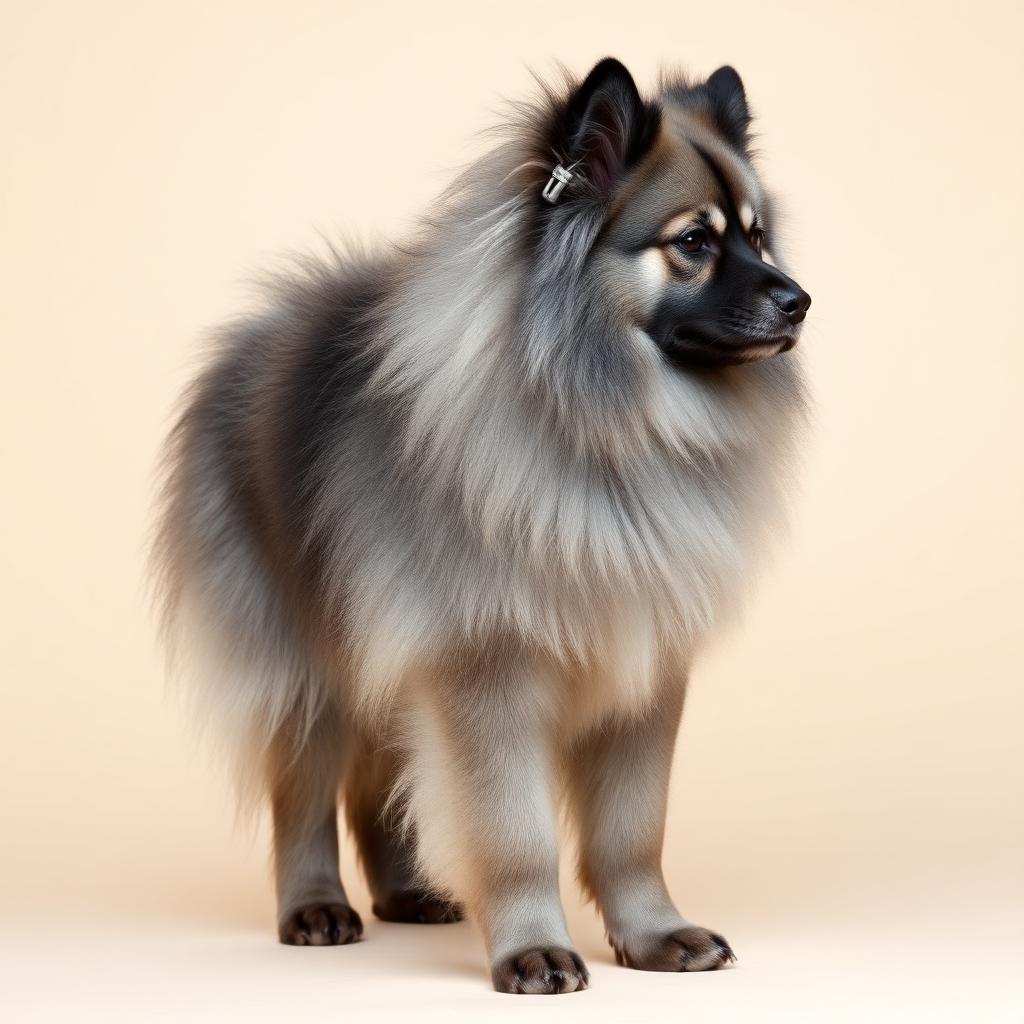
Keeshond
"Keeshond: The smiling, loyal, and perfect companion."
Overview
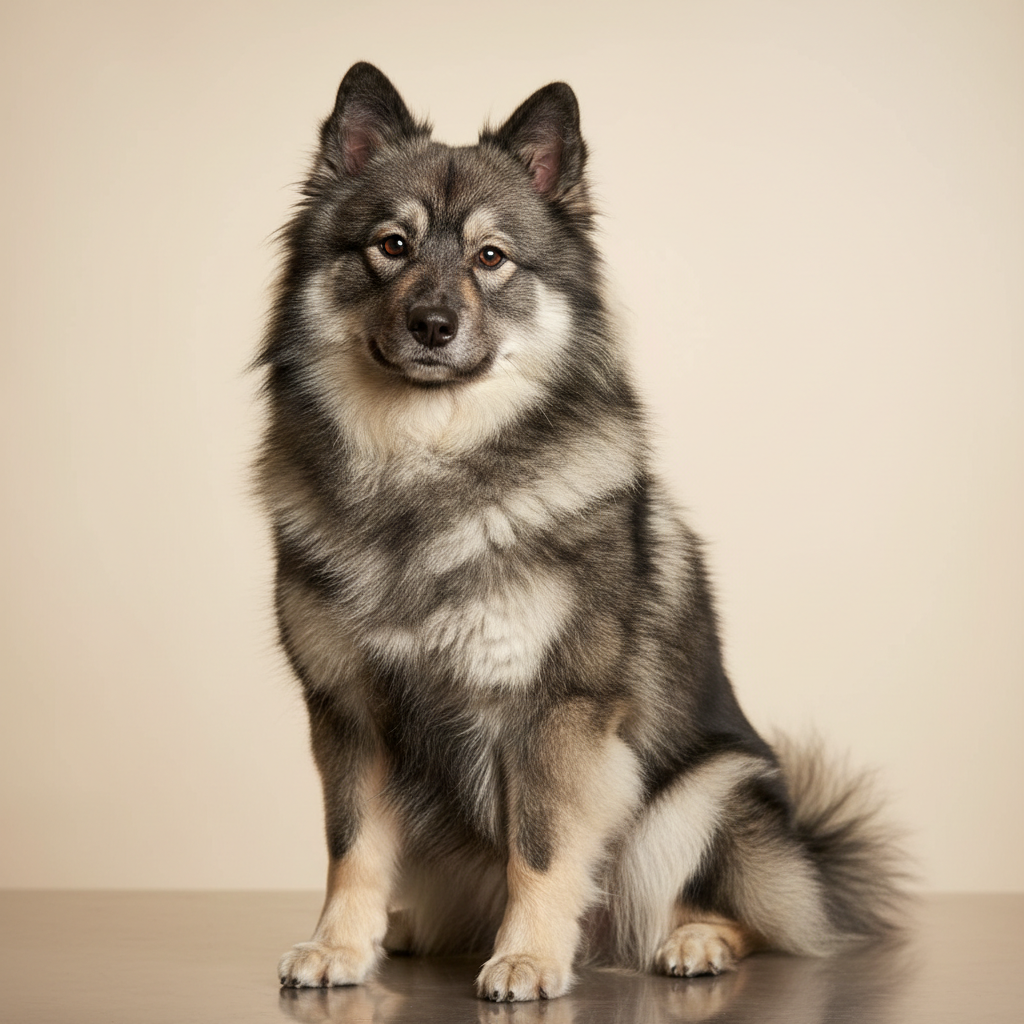
The Keeshond is a fascinating dog breed, known for its cheerful temperament and striking coat. Originating from the Netherlands, it belongs to the Spitz group and stands out for its characteristic "smile" formed by its peculiar facial markings. It is a medium-sized dog, ideal for families looking for a loyal and affectionate companion.
These dogs are extremely sociable and thrive on human companionship, making them excellent family dogs. They get along very well with children and other pets, provided they are properly socialized from puppyhood. Their intelligence makes them easy to train if positive and consistent training is used, although they can have a tendency to be vocal, so controlling barking is an important aspect of training. The Keeshond has a moderate exercise level, enjoying both daily walks and garden games. They need at least 30-60 minutes of activity per day to stay happy and balanced. Mental stimulation is as crucial as physical exercise to prevent boredom and unwanted behaviors.
Regarding Keeshond health, they are generally a robust breed with a lifespan of 12 to 14 years. However, like all breeds, they can be prone to certain genetic conditions such as hip dysplasia, thyroid diseases, or eye problems. Choosing a responsible breeder is key to ensuring your puppy's health. Their exuberant double coat requires regular and dedicated grooming (brushing 2-3 times a week), making it an important factor to consider. Proper coat care not only maintains their beauty but also prevents skin problems. With proper attention, training, and affection, the Keeshond will be a cherished and joyful member of any home for many years.
Key facts
- Size
- Medium
- Weight
- 14–18 kg
- Life expectancy
- 12–15 years
- Daily exercise
- 60 min/day
- Estimated total
- 145€/month
- Country
- Países Bajos / Netherlands
Character & temperament
The Keeshond is known for its infectious joy and affectionate temperament. They are very family-oriented dogs, greatly enjoying human companionship and striving to be the center of attention. Their nature is friendly and sociable, both with people and other animals. They are intelligent and relatively easy to train, although they can show a stubborn side if not properly motivated. Vigilance is an innate characteristic; they will alert their owners with barks if they detect anything unusual, making them good watchdogs, but without aggression. They need constant interaction and do not like to be ignored or left alone for prolonged periods, as they can develop separation anxiety. They are sensitive dogs that respond best to positive reinforcement training methods. Their energy level is moderate, enjoying both active play and calm, cuddly moments on the couch. Their famous "Keeshond smile" is a reflection of their gentle and happy character. They tend to be a bit chatty, expressing themselves with a variety of vocalizations that go beyond simple barking, including whines and "talk". Adaptable by nature, they can live well in apartments as long as they receive enough exercise and mental stimulation. The key to a happy Keeshond is to feel like an integral and valued part of the family, receiving attention and affection regularly.
Living with children
The Keeshond tends to get along exceptionally well with children, making them an excellent choice for families. They are patient and tolerant dogs by nature, capable of enjoying play and the company of little ones. However, as with any breed, adult supervision is crucial to ensure safe and respectful interactions for both parties. Children should be taught to treat the dog with kindness and to understand its limits, avoiding pulling on hair or tail. The Keeshond, with its playful spirit and desire to be an active part of family life, often becomes the best friend and confidant of children. Their medium size allows them to be sturdy for play without being overwhelming for small children. They enjoy participating in family activities, from garden games to quiet reading sessions. Their observant nature also makes them good informal "caretakers," always aware of what is happening around them. It is important to socialize the Keeshond puppy from an early age to get them used to the presence and handling of children, thus reinforcing their already friendly temperament. A well-socialized and educated Keeshond will be a loving and loyal member of any family with children, bringing joy and constant companionship to the home. Their patience makes them a good companion even for the most energetic children, as long as their space is respected.
With other pets
Keeshonden are generally quite compatible with other pets, including other dogs and cats, especially if socialized from an early age. Their friendly and sociable nature makes them prone to accepting new "pack members" easily. However, initial supervision and gradual introductions are essential to ensure harmonious coexistence. Given their history as companion dogs, they do not possess a strong prey drive, making them more likely to coexist peacefully with smaller animals like cats or even rodents, though always with caution. It is important to consider the individual personality of each animal, but in general, a well-adjusted and educated Keeshond can be an excellent companion for other pets in the home, thriving in a multi-species household.
Health & prevention
Keeshonden are generally a robust and long-lived breed, with an average life expectancy of 12 to 14 years, and even more in some cases. However, like all breeds, they are prone to certain hereditary health conditions. Some of the most common concerns include hip and elbow dysplasia, heart diseases like multiple myeloma (though rare), eye conditions such as progressive retinal atrophy, and thyroid problems. They can also be susceptible to Von Willebrand's disease (a bleeding disorder) and epilepsy. It is crucial to choose a responsible breeder who performs genetic testing on their breeding stock to minimize the risk of transmitting these diseases. Constant preventive care, including regular veterinary visits, a balanced diet, adequate exercise, and above all, good management of stress and anxiety (as they are sensitive dogs), is fundamental to keeping a Keeshond healthy. The care of their dense coat is also important, as poor care can lead to skin problems. With proper attention and regular check-ups, most Keeshonden enjoy a full and healthy life.
Health risks
- •Hip dysplasia
- •Epilepsy
- •Hypothyroidism
Care
Nutrition
Keeshond nutrition must be carefully managed to maintain their health and beautiful coat. A high-quality diet is recommended, whether commercial kibble or raw food, formulated for medium-sized breeds with moderate activity levels. It is important to adjust portions according to the dog's age, exercise level, and individual metabolism to avoid overweight, which can exacerbate joint problems. Look for foods rich in quality proteins, healthy fats (such as Omega-3 and Omega-6 for skin and coat), and complex carbohydrates. Avoid unnecessary fillers and common allergens if your Keeshond shows sensitivity. Dividing the daily ration into two meals can help prevent bloating. Always ensure they have access to fresh, clean water. Treats should be used in moderation and preferably as part of training. Always consult your veterinarian to establish the most appropriate nutritional plan for your Keeshond.
Grooming & hygiene
The Keeshond's impressive double coat requires regular and consistent maintenance. They need deep brushing at least 2-3 times a week to prevent mats and tangles, especially during seasonal shedding periods (twice a year), when daily brushing may be necessary. A undercoat rake and pin brush are recommended. While they don't need trims, occasional grooming to shape or trim hair around paw pads, ears, and tail can be beneficial. Baths should be as needed, using a gentle dog-specific shampoo. It is vital to dry them completely, as moisture trapped in the undercoat can cause skin irritations. Additionally, ears should be checked and cleaned weekly, nails trimmed every 3-4 weeks, and teeth brushed regularly to maintain good oral hygiene. This grooming ritual not only maintains the Keeshond's appearance but also strengthens the bond between the dog and its owner.
Exercise & training
Exercise plan
The Keeshond has a moderate energy level, meaning they are not high-maintenance dogs in terms of exercise, but they are also not couch potatoes. They require at least 30-60 minutes of daily activity, which can be divided into several outings. They enjoy energetic walks, games in the garden, or play sessions at the park. They are happy walking with their owners, exploring new environments, and participating in activities that stimulate both their body and mind. Despite their dense coat, they are quite adaptable and can enjoy brief exercise sessions in warm climates if peak heat hours are avoided and adequate hydration is maintained. Mental stimulation is as important as physical exercise; puzzle games, obedience training, and participation in dog sports such as agility or rally can help prevent boredom and destructive behaviors. A sufficiently exercised Keeshond is a calm and happy dog at home.
Training
The Keeshond is intelligent and eager to please, making them a relatively easy dog to train. However, they also have a cunning side and may try to get their way, so consistency and gentle firmness are key. They respond best to positive reinforcement methods, using rewards such as treats, praise, and toys. Harsh punishment or rough handling can cause them to shut down and become fearful. Early socialization is fundamental for a well-adjusted Keeshond, exposing them to a variety of people, places, sounds, and other animals from puppyhood. Basic obedience training is a good start, and many Keeshonden excel in dog sports such as agility, rally, or freestyle, which provide excellent mental and physical stimulation. Their tendency to bark requires specific training to manage this behavior, teaching them when it is appropriate to bark and when it is not. They are sensitive dogs that value their owners' patience and understanding.
Monthly cost
A medium-sized dog with reasonable costs, though it is advisable to calculate occasional investment for professional grooming.
Estimate for Spain, healthy adult dog. Varies by region and provider.
Pros & cons
Pros
- ✓Extremely friendly and affectionate with the family.
- ✓Gets along very well with children and other pets.
- ✓Intelligent and relatively easy to train.
- ✓Good watchdog, alert without being aggressive.
- ✓Manageable size for various types of households.
Cons
- !Requires regular and consistent brushing of its dense coat.
- !Can be prone to excessive barking if not trained.
- !Needs a lot of human companionship and can suffer from separation anxiety.
Ideal for
- • Active families looking for a loyal companion.
- • People willing to dedicate time to grooming.
- • Homes that can offer constant companionship.
- • First-time owners looking for an intelligent and affectionate dog.
Not recommended for
- • People with little time for daily/weekly grooming.
- • Families who cannot offer much human interaction.
- • Households that prefer a very quiet dog.
- • Those looking for a protection dog with more aggressive instincts.
How it fits each scenario
Yes, the Keeshond can live well in an apartment if given enough daily exercise and mental stimulation. Their medium size is suitable, but they require regular walks and games to expend their energy. A secure balcony where they can observe the outside world will be a plus.
A home with a garden is ideal for a Keeshond, as it gives them extra space to play and explore. Make sure the garden is well-fenced, as their curiosity might lead them to investigate the surroundings. They will love participating in outdoor activities with the family.
Keeshonden can handle warm climates with precautions. Avoid intense exercise during the hottest hours, provide plenty of fresh water and a shady spot. Their double coat acts as insulation, but overheating is a risk if not managed correctly.
They are excellent for cold climates thanks to their dense double coat, which offers great protection against low temperatures. They enjoy outdoor activities even in winter, but always make sure they have a warm and dry shelter afterwards.
The Keeshond is patient with toddlers, but supervision is essential. Teach children to be respectful and dogs to use their mouths gently. Their gentle nature makes them good companions, but always with guided interactions to foster harmony.
Absolutely. Keeshonden are wonderful playmates for school-aged children. They are energetic enough to participate in games and patient enough for daily interactions. They will enjoy family activities and be a loyal friend to the children.
Yes, the Keeshond can be a great choice for first-time owners. They are intelligent and eager to please, which makes training with positive methods easy. However, their need for grooming and companionship requires commitment. Be prepared to invest time in their education and care.
Experienced owners will appreciate the Keeshond's intelligence and affectionate nature. They will be able to harness their potential in dog sports or advanced training, managing their vocal side and ensuring good socialization to foster their balanced temperament.
A Keeshond will fit perfectly into an active family. They enjoy walks, light hikes, and garden games. Although they are not marathon runners, participating in daily family activities will keep their mental and physical stimulation, and strengthen the bond.
A very busy family that cannot dedicate enough time to the Keeshond's companionship and grooming might not be ideal. They are dogs that need attention and can suffer from anxiety if left alone for prolonged periods. Consider if you can meet their interaction needs.
Keeshonden are not a hypoallergenic breed. Their dense double coat sheds hair and dander, which can trigger allergic reactions in sensitive individuals. If you have allergies, consider other breeds or spend time with a Keeshond before committing.
The cost of a Keeshond is moderate compared to other breeds, but their maintenance (especially grooming and quality food) can add up. It is not the cheapest option if the budget is very tight, as their coat care may require professionals.
Origin & history
Hailing from the Netherlands, the Keeshond was the inseparable companion of sailors on canal and river barges. In the 18th century, it became the symbol of the Dutch Patriot political party, led by Kees de Gyselaer, from whom the breed took its name.
The Keeshond is known for its distinctive "spectacles" around its eyes, which are dark markings that make it appear as if it's wearing glasses, contributing to its famous "smiling dog" look and alert expression.
Frequently asked questions
How long can a Keeshond be left alone at home?▾
Keeshonden are very family-oriented dogs and do not like to be left alone for extended periods. Ideally, they should not be alone for more than 4-5 hours a day. If left for too long, they can develop separation anxiety, manifested in excessive barking, destructive behaviors, or accidents in the house. It is essential to provide them with mental enrichment before leaving, such as puzzle toys, and to consider hiring a dog walker or pet sitter if longer absences are anticipated. Gradually accustoming them to solitude from puppyhood and establishing a clear routine can help.
Is the Keeshond a good dog for first-time owners?▾
Yes, the Keeshond can be an excellent choice for first-time owners. They are intelligent, eager to please, and generally respond very well to positive reinforcement training. However, first-time owners must be prepared for the commitment involved in caring for their dense coat, which requires regular brushing, and their need for companionship, as they do not like to be alone. Learning about vocalization training will also be important to manage their tendency to bark. With the right disposition and a willingness to learn, a first-time owner can have a wonderful companion.
Does a Keeshond need a lot of exercise?▾
The Keeshond has a moderate energy level. They are not extreme exercise dogs, but they require at least 30 to 60 minutes of physical activity per day, which can be distributed over several vigorous walks or play sessions. They enjoy hikes, playing in a fenced yard, or participating in activities that stimulate their minds. The key is to provide them with a consistent exercise routine to prevent boredom and excess energy. In addition to physical exercise, mental stimulation through puzzle games or obedience sessions is equally important for their overall well-being.
Are Keeshond prone to barking a lot?▾
Yes, Keeshonden are known to be vocal dogs. Their alert instinct makes them prone to barking to announce the arrival of strangers or anything unusual in their surroundings. While they are good watchdogs, if not properly trained as puppies, their vocalization can become excessive. It is crucial to teach them the 'quiet' command and reward them for calm behavior. Providing enough mental and physical stimulation also helps reduce barking due to boredom or frustration. Early socialization is also important so that they get used to different sounds and stimuli.
What is Keeshond grooming like? Do they shed a lot?▾
The Keeshond has a dense double coat that requires significant grooming commitment. They shed moderately to constantly throughout the year, and much more heavily during the two main seasonal sheds. They need deep brushing at least 2-3 times a week to prevent mats and tangles, and daily during shedding season. During these times, an undercoat rake is indispensable. Although they don't need trims, their coat must be kept clean and tangle-free, which may require the help of a professional groomer periodically. Their grooming is an essential part of their care and skin health.
Is the Keeshond good for people with allergies?▾
No, the Keeshond is not considered a hypoallergenic breed. Its characteristic double coat sheds regularly and also produces dander, which are the main triggers of allergies in many people. Although there is no such thing as a 100% hypoallergenic dog, breeds with less shedding or that shed less, such as Poodles or Schnauzers, are usually better options for allergy sufferers. If you are considering a Keeshond and are allergic, it is recommended to spend time with several specimens of the breed to assess your reaction before making a final decision.
What kind of training does a Keeshond need?▾
A Keeshond greatly benefits from positive reinforcement training, using rewards and praise. They are intelligent and learn quickly, but can be a bit stubborn, so consistency is crucial. Early socialization is recommended to get them used to different environments and people. Basic obedience training (sit, stay, come) is fundamental. It's also important to address their tendency to bark with specific training to control vocalization. Their eagerness to please and agility make them suitable for dog sports like agility or advanced obedience, which provides excellent mental stimulation.
Are Keeshond good therapy or service dogs?▾
The Keeshond's sensitive, affectionate, and social nature makes them excellent candidates for therapy dogs. They enjoy human interaction and have a calming presence. Their manageable size and desire to please contribute to their success in this role. To be service dogs, they also possess the necessary intelligence and patience, although their use in this field is less common than in therapy. However, their tendency to bark could be a factor to consider and should be addressed with specific training. Overall, their gentle temperament and connection with people make them very suitable for emotional support and companionship roles.
Similar family-friendly breeds
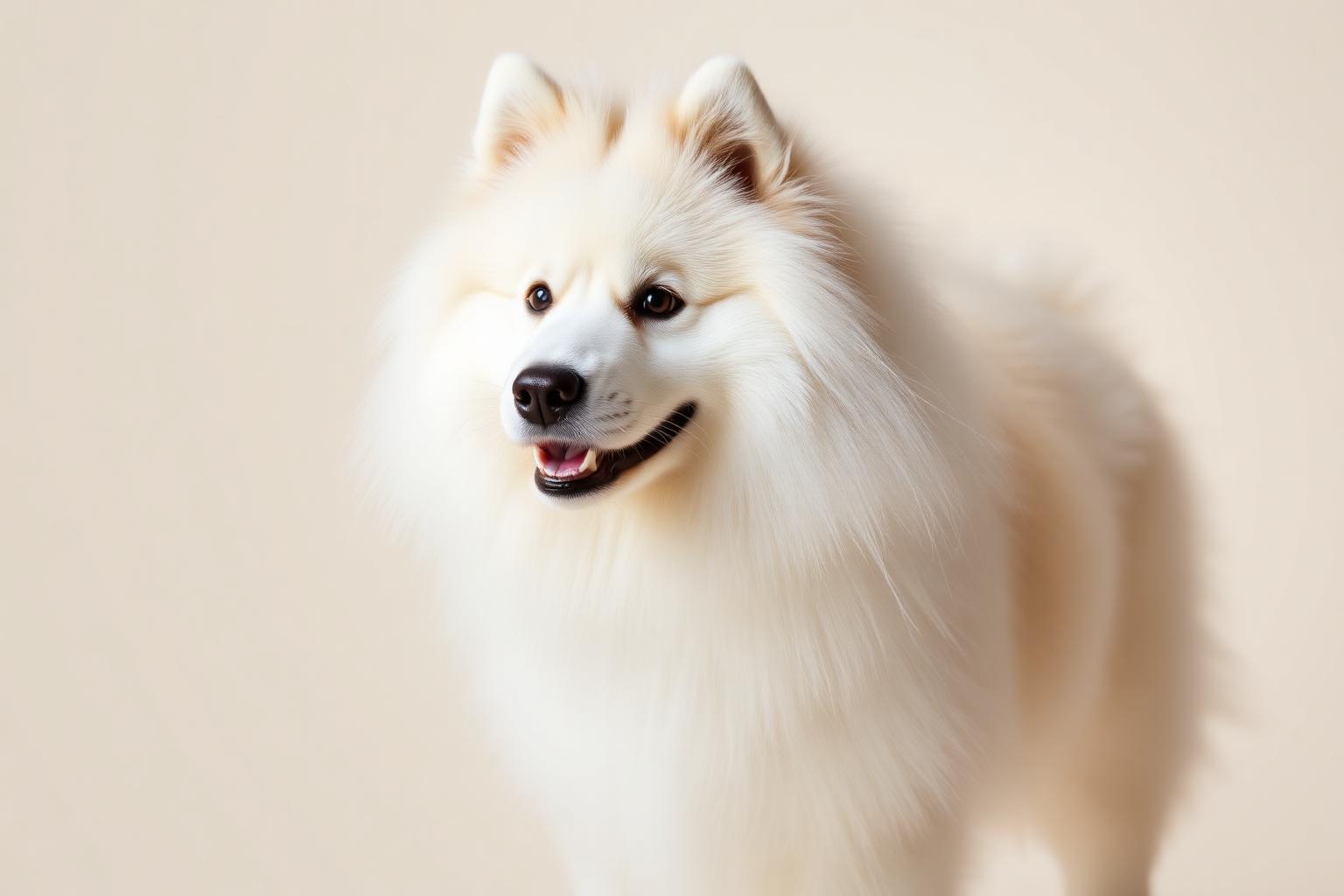
Samoyed
7.2Smiling and fluffy. Cold-lover; suffers badly in Mediterranean summers. Sheds in clumps.
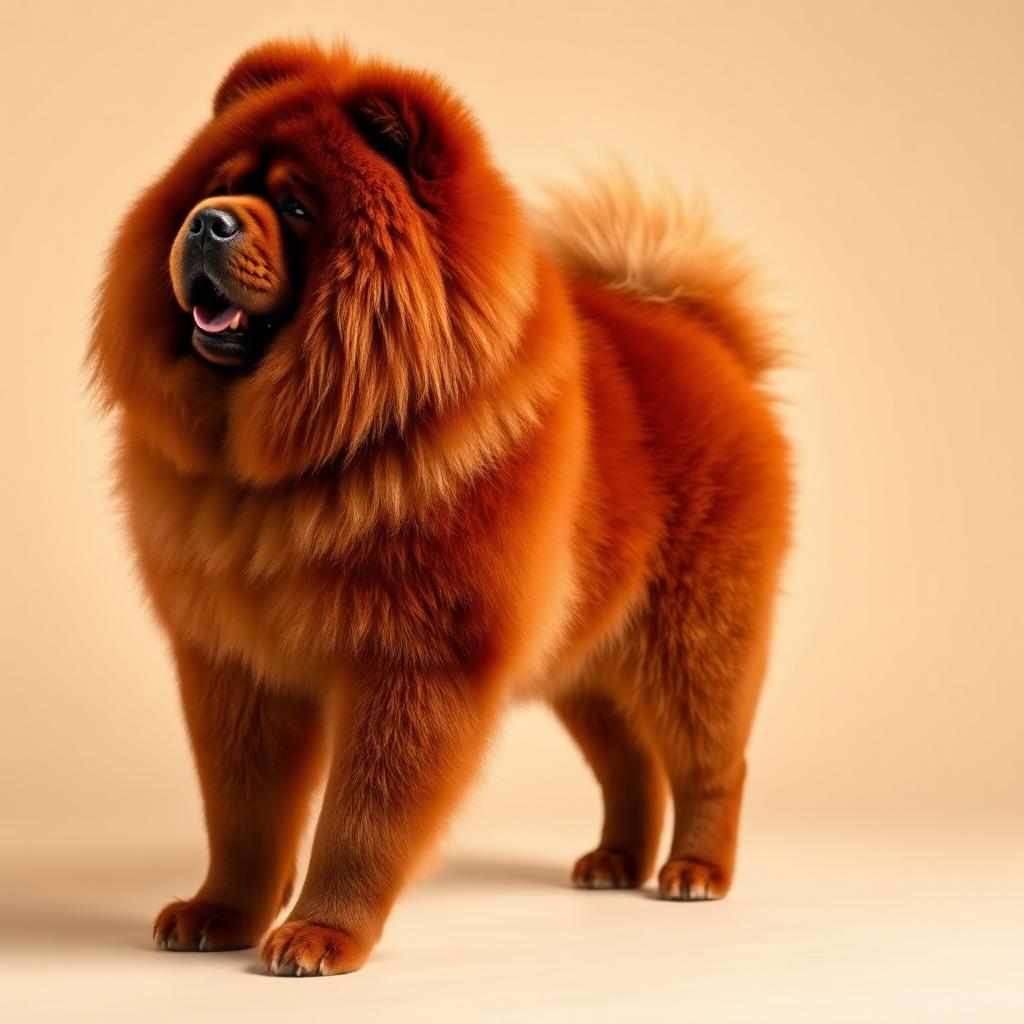
Chow Chow
5.6Lion-bear Chinese dog with a blue tongue. Aloof, almost cat-like; not for families with little kids.
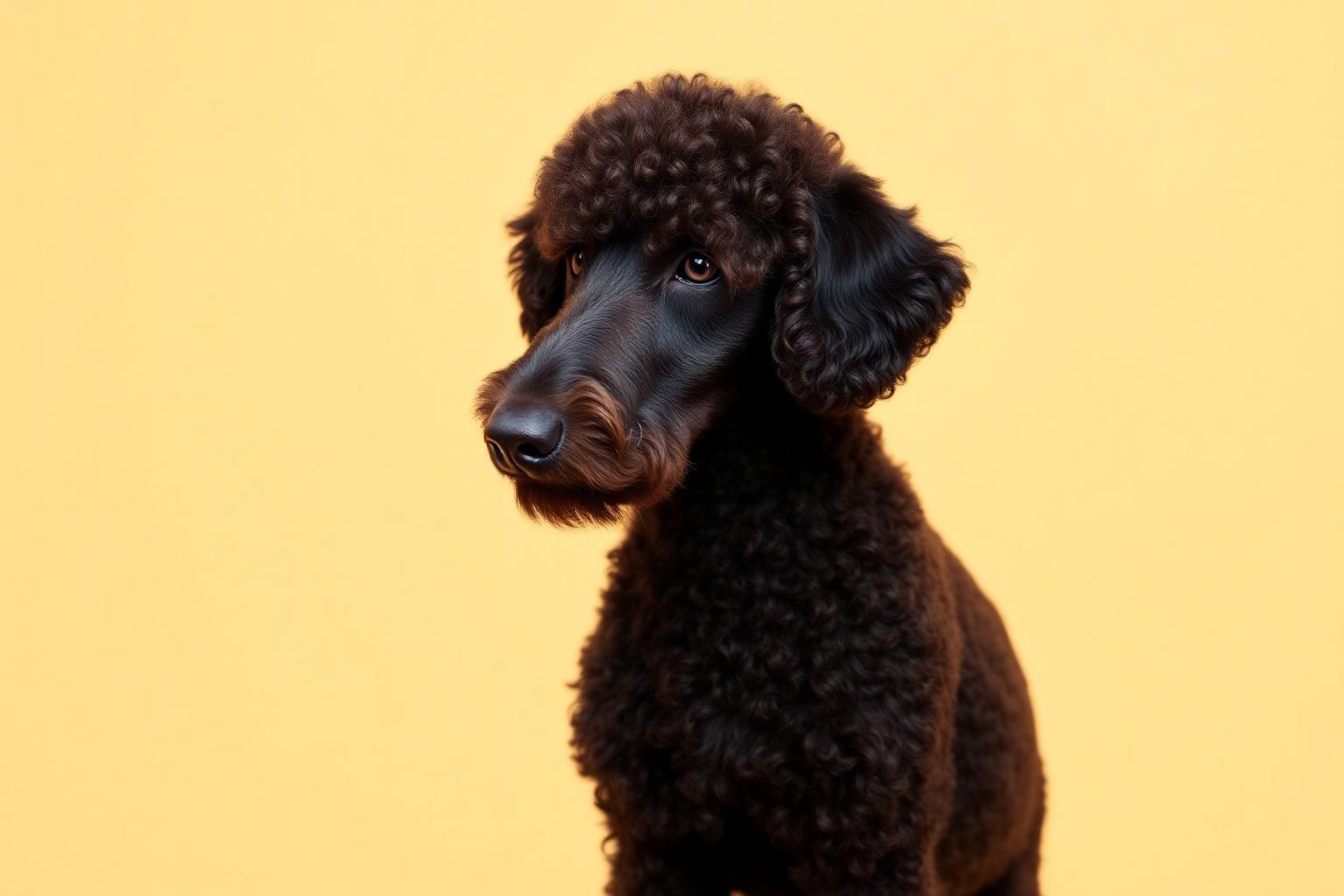 Hypoallergenic
Poodle
9.5Intelligent, elegant and hypoallergenic. Available in several sizes to suit any home. Requires regular grooming.