
Lagotto Romagnolo
"Lagotto Romagnolo: Truffle hunter, loyal friend, joyful spirit."
Overview
The Lagotto Romagnolo, also known as the 'Romagna water dog,' is a medium-sized breed famous for its curly, hypoallergenic coat and its unparalleled ability in truffle hunting. Originating from the Italian marshlands, this robust and cheerful dog has won the hearts of many families thanks to its balanced temperament and exceptional intelligence. If you are looking for a loyal companion full of energy, the Lagotto could be your ideal choice.
The temperament of the Lagotto is one of its strongest points: they are extremely intelligent dogs, easy to train, and eager to please. They need constant mental stimulation and a good dose of daily physical exercise, at least one hour, to stay happy and prevent boredom, which could lead to destructive behaviors. Their strong scent instinct makes them excel in dog sports like *nosework*. They are sociable and generally get along well with children and other pets if properly socialized from puppies, making them excellent family dogs.
Regarding their health, the Lagotto Romagnolo is generally a healthy breed but is predisposed to certain genetic conditions such as hip and elbow dysplasia, and juvenile epilepsy. Choosing a responsible breeder who performs health screenings is crucial. Coat care is another important aspect; their woolly hair doesn't shed much, but it requires weekly brushings and professional grooming every 6-8 weeks to prevent matting. Their diet should be high-quality, corresponding to their activity level. Although the cost of maintenance can be a bit higher due to grooming, the joy and companionship offered by a well-cared-for Lagotto Romagnolo make the investment worthwhile.

Key facts
- Size
- Medium
- Weight
- 11–16 kg
- Life expectancy
- 14–17 years
- Daily exercise
- 75 min/day
- Estimated total
- 160€/month
- Country
- Italia / Italy
Character & temperament
The Lagotto Romagnolo is a dog with a charming and multifaceted personality. They are known for their sharp intelligence and constant need for mental stimulation. This makes them enthusiastic learners, responding very well to positive training and greatly enjoying games that involve problem-solving or searching for objects. They are very active and energetic dogs, requiring a good dose of daily exercise to stay balanced and prevent boredom, which can lead to unwanted behaviors. They love to work and have a strong tracking and sniffing instinct, which makes them ideal for dog sports like *nosework* or *agility*. <br><br>In the home, the Lagotto is a loyal and affectionate companion. They tend to form very strong bonds with their family and enjoy their company, being cuddly and playful. They are not typically excessive barkers but will alert their owners to anything new. Their patient nature and desire to please generally make them compatible with children and other animals, provided they have been properly socialized from a young age. However, their energy can be overwhelming for very young children if clear boundaries haven't been established. Some Lagottos might be a bit reserved with strangers at first, but are rarely aggressive. They need early and continuous socialization to develop into confident and well-adjusted adults.
Living with children
The Lagotto Romagnolo can be an excellent companion for children, especially if properly socialized from a puppy. Their playful nature and innate patience usually allow for good coexistence. They are active dogs who love to participate in outdoor games, making them ideal companions for energetic children. They enjoy activities that involve them, running and exploring together. However, it is crucial to always supervise interactions between children and the dog, especially with very young ones. Lagottos, with their enthusiasm, might accidentally knock over a small child during play. <br><br>It is essential to teach children to respect the dog and its signals, and not to bother it while it eats or sleeps. The Lagotto's patience is admirable, but like any dog, it has its limits. Establishing clear rules for both and a safe space for the dog to retreat to when it needs quiet are key aspects for harmonious coexistence. Older children, who better understand how to interact with a dog, will find in the Lagotto a loyal friend and a tireless companion for their adventures. Their intelligence also allows children to participate in their training under adult supervision, strengthening the bond and mutual understanding.
With other pets
Lagotto Romagnolo are generally **sociable** and can get along very well with other dogs and pets, especially if they have been properly introduced and socialized from puppies. They usually have good balance, and although they possess a prey drive, it is not as strong as in other hunting breeds. With cats or other small pets, initial supervision is key and a gradual adaptation process. Early and positive socialization will help the Lagotto accept other animals as part of its 'pack'.
Health & prevention
The Lagotto Romagnolo is generally a robust and healthy breed, with a life expectancy of around 15-17 years. However, like many purebreds, they are predisposed to certain genetic conditions. It is crucial to choose a responsible breeder who performs health screenings on their breeding stock to minimize risk. <br><br>The main health concerns in the breed include Hip and Elbow Dysplasia, joint conditions that can cause pain and mobility issues. Another significant disease is Juvenile Epilepsy (JE), a neurological disorder that can appear in puppies and for which a genetic test is available. Neuroaxonal Dystrophy (NAD) is another hereditary neurological disorder, though less common. They can also present Lysosomal Storage Disease (LSD), a rare but serious genetic disease affecting the nervous system. <br><br>Additionally, some Lagottos may be prone to skin allergies, otitis (due to their hairy ears that retain moisture), and eye problems such as Progressive Retinal Atrophy. Regular veterinary check-ups, a balanced diet, and an active lifestyle are essential to keep a Lagotto Romagnolo in optimal health.
Health risks
- •Hip dysplasia
- •Juvenile epilepsy
- •Eye problems
Care
Nutrition
The **nutrition of the Lagotto Romagnolo** must be high-quality and adapted to their activity level. Given their energetic nature, they require a diet rich in protein and healthy fats to maintain their musculature and provide the necessary energy. A premium dry food with natural ingredients and no unnecessary fillers is recommended. Quantities should be adjusted to their age, weight, activity level, and health status, following manufacturer guidelines and veterinary advice. Dividing the daily ration into two meals can aid digestion and prevent bloating. Some Lagottos may have digestive sensitivities, so a hypoallergenic or single-protein diet might be beneficial. Constant access to fresh, clean water is essential.
Grooming & hygiene
The distinctive curly coat of the Lagotto Romagnolo, which is **similar to wool**, does not shed extensively, making it a popular choice for people with allergies. However, this same coat requires **regular and consistent care** to prevent tangles and matting, which can be painful and hinder hygiene. <br><br>A **thorough weekly brushing** with an appropriate brush is recommended to detangle and remove dead hair. Additionally, the Lagotto needs to be **professionally clipped** every 6-8 weeks. Some owners learn to do it themselves, but at least the first clip should be done by a groomer experienced with the breed to maintain the style and health of its coat. <br><br>The Lagotto's ears, covered with hair, are prone to infections, so it's important to **check and clean them regularly**, and to pluck excessive hair from the ear canal with the help of a professional. **Nails should also be trimmed** every 2-4 weeks, and good dental hygiene maintained.
Exercise & training
Exercise plan
The Lagotto Romagnolo is an **energetic and active** breed that needs a significant amount of daily exercise to stay happy and balanced. They are not dogs for sedentary people. They require at least **one hour of intense physical activity per day**, which can be divided into several sessions. This includes brisk walks, runs, fetch games, and activities that stimulate their minds. <br><br>Their natural foraging instinct means they greatly enjoy activities such as **scent tracking** or nose work games. Participating in **dog sports** like *agility*, *obedience*, *flyball*, or *canicross* is an excellent way to channel their energy and intelligence. A bored or under-exercised Lagotto can become destructive or develop anxiety. Ensuring they have enough opportunities to run and explore safely is vital.
Training
The Lagotto Romagnolo is **intelligent and eager to please**, which generally makes them easy to train, even for first-time owners with adequate dedication. However, their intelligence also means they can easily get bored if training is repetitive or lacks challenges. **Positive reinforcement** based on rewards (food, toys, praise) is the most effective methodology with them. <br><br>**Early socialization** is crucial. Exposing the puppy to a variety of people, places, sounds, and other animals from a young age will help them develop into a confident and well-balanced adult dog. Basic obedience training is fundamental, including commands like 'sit', 'come', and 'stay'. Given their excellent sense of smell and foraging instinct, scent games and training for truffle (or toy) hunting are an excellent way to satisfy their mental and physical needs. They are known for their concentration abilities, but can also be a bit stubborn at times, so consistency and patience are key in their education.
Monthly cost
The highest recurring expense for a Lagotto is usually professional grooming, as they need frequent clipping every month or two to avoid painful mats.
Estimate for Spain, healthy adult dog. Varies by region and provider.
Pros & cons
Pros
- ✓Hypoallergenic coat, suitable for people with mild allergies.
- ✓Intelligent and motivated, easy to train with positive reinforcement.
- ✓Affectionate and loyal to its family, forms strong bonds.
- ✓Excellent companion for outdoor activities and dog sports.
- ✓Generally good with children and other pets if well-socialized.
Cons
- !Needs a lot of mental and physical stimulation to avoid boredom and destructiveness.
- !Its coat requires constant and costly maintenance (regular grooming).
- !Can be stubborn if not trained with consistency.
- !Requires early and continuous socialization to prevent shyness with strangers.
- !Tendency to sniff and dig, which can be an issue in gardens.
Ideal for
- • Active families and nature lovers.
- • People who enjoy training and dog sports.
- • Households with dog experience who can dedicate time to their care.
- • Individuals with allergies (due to their hypoallergenic coat).
Not recommended for
- • Sedentary people or those with an inactive lifestyle.
- • First-time owners without time or interest in consistent training.
- • Households unable to commit to regular coat maintenance.
- • Families seeking a low-maintenance or 'couch potato' dog.
How it fits each scenario
A Lagotto can live in an apartment if it receives intensive daily physical and mental exercise outside the home. A good long walk, scent games, and structured play sessions are essential.
A fenced garden is ideal for a Lagotto, providing space to play and sniff, but it doesn't replace walks. Make sure the fence is secure to prevent digging and escape.
In hot climates, it's crucial to keep your Lagotto cool and well-hydrated. Regular coat clipping is even more important, and exercise should be scheduled during the coolest parts of the day.
The Lagotto's woolly coat offers good protection in cold climates, but in extreme conditions, they will need shelter. Make sure to thoroughly dry their coat after playing in snow or rain.
Supervision is essential with toddlers. The Lagotto is lively and might accidentally knock a child over. Teach both to respect each other and provide a safe space for the dog.
They are excellent companions for school-aged children. They enjoy active games and can be involved in training. Encourage supervised interaction and teach responsibility.
A first-time owner with dedication and willingness to learn can manage a Lagotto. It requires commitment to training, socialization, and regular professional grooming.
An experienced owner will appreciate the Lagotto's intelligence and eagerness to work. They can channel its energy into advanced activities and dog sports, optimizing its potential.
The Lagotto Romagnolo is perfect for active families who enjoy hiking, trekking, or outdoor sports. It will be a tireless companion that will enjoy every adventure.
If the family is very busy and cannot dedicate enough time to daily exercise and mental stimulation, the Lagotto is not the right breed. They can develop behavioral problems.
Thanks to its wool-like coat that sheds minimally and produces less dander, the Lagotto Romagnolo is an excellent choice for individuals with mild to moderate allergies.
Be aware that Lagotto maintenance, especially grooming, can be costly. You'll need a budget for regular professional groomers, in addition to food and vet care.
Origin & history
Originating from the Romagna region in Italy, they initially worked as water retrievers in the marshlands. When the marshes dried up in the 19th century, they naturally reinvented themselves as elite truffle hunters. Their history is fascinating, evolving from excellent water dogs to the world's only recognized specialist in finding this prized fungus. The earliest references date back to the 16th century, demonstrating their long tradition in the region. Their adaptive evolution makes them an example of canine versatility.
The Lagotto Romagnolo is the only dog breed officially recognized worldwide as a specialist in truffle hunting, a talent that has been refined over centuries.
Frequently asked questions
Is the Lagotto Romagnolo a hypoallergenic dog and what does this imply?▾
Yes, the Lagotto Romagnolo is considered a hypoallergenic breed. This means its curly, woolly coat sheds very little hair and produces less dander than other breeds, which are the main triggers for allergies in people. However, 'hypoallergenic' does not mean 'non-allergenic'. While it reduces the chances of a reaction, it does not eliminate it completely. People with severe allergies should spend time with a Lagotto before deciding to adopt one to see how they react. Their coat still requires regular grooming to prevent tangles, which can indeed spread accumulated dander.
How much exercise does a Lagotto Romagnolo need per day?▾
A Lagotto Romagnolo needs at least one hour of vigorous exercise per day, preferably divided into several sessions. This includes brisk walks, running and fetching games, and time to explore in a safe area. Their intelligence and foraging instinct also require mental stimulation, so scent games or dog sports are excellent complements to physical exercise. A Lagotto that doesn't receive enough activity can become bored, anxious, and consequently destructive at home, digging or chewing furniture.
How should I care for my Lagotto Romagnolo's coat?▾
Lagotto coat care is paramount. It requires thorough weekly brushing to prevent tangles and painful matting. Additionally, they will need professional clippings every 6-8 weeks to maintain a manageable length and hygiene. Some owners opt to learn to clip it themselves, but professional grooming supervision is always recommended at first. It's also crucial to check and clean their ears regularly, and to remove excessive hair from the ear canal with professional help to prevent infections.
Is the Lagotto Romagnolo a good choice for families with young children?▾
Yes, the Lagotto can be an excellent family dog, even with young children, if socialization has been adequate and early. They are patient and playful, but their energy can be unintentionally overwhelming for a very young child. It is vital to always supervise interactions and teach both children and the dog to respect each other. Establishing clear rules for both, such as a quiet resting place for the dog and teaching children not to disturb it while eating or sleeping, will ensure harmonious and safe coexistence for everyone.
Do Lagotto Romagnolo bark a lot?▾
Lagottos are generally not excessive barkers. However, like any guardian dog, they will bark to alert their owners to the arrival of visitors or unusual noises. If they get bored or don't receive enough stimulation (physical or mental), they might become more prone to barking out of frustration or anxiety. Consistent training and sufficient exercise and play can help keep barking under control and communicative, rather than a constant nuisance.
Are Lagotto Romagnolo easy to train?▾
Yes, Lagotto Romagnolo are known for their intelligence and eagerness to please, which makes them quite easy to train. They respond very well to positive reinforcement techniques, such as treats and praise. However, their intelligence also means they need variety and challenges in training to avoid getting bored. They are very problem-solvers and enjoy tasks that make them think. Early socialization and consistent obedience training are key to developing a well-balanced and well-mannered Lagotto.
What is the estimated monthly cost of owning a Lagotto Romagnolo?▾
The estimated monthly cost for a Lagotto Romagnolo can be around 160 Euros. This breakdown includes approximately 40 Euros for quality food, 30 Euros for basic vet expenses (check-ups, deworming), 50 Euros for regular professional grooming (the most significant expense due to their coat), 25 Euros for pet insurance, and about 15 Euros for other expenses like toys, treats, or supplements. This cost can vary, being higher in case of unexpected illnesses or if participating in many dog activities.
Can Lagotto Romagnolo dig, and what can I do about it?▾
Yes, Lagotto Romagnolo have a strong natural instinct to dig, inherited from their work as truffle hunters. This can be a problem if you have a well-kept garden. To manage this behavior, offer a designated area in the garden where digging is allowed, such as a sandpit or a specific area with soft soil, and hide toys or treats for them to find. Ensure they have enough mental and physical exercise to channel their energy and foraging instinct constructively, reducing the need to find 'entertainment' by digging in unwanted places.
Similar family-friendly breeds
 Hypoallergenic
Poodle
9.5Intelligent, elegant and hypoallergenic. Available in several sizes to suit any home. Requires regular grooming.

Beagle
9.0Curious, cheerful and very sociable. Needs daily exercise and company. His nose takes him far: always on leash.
 Hypoallergenic
Schnauzer
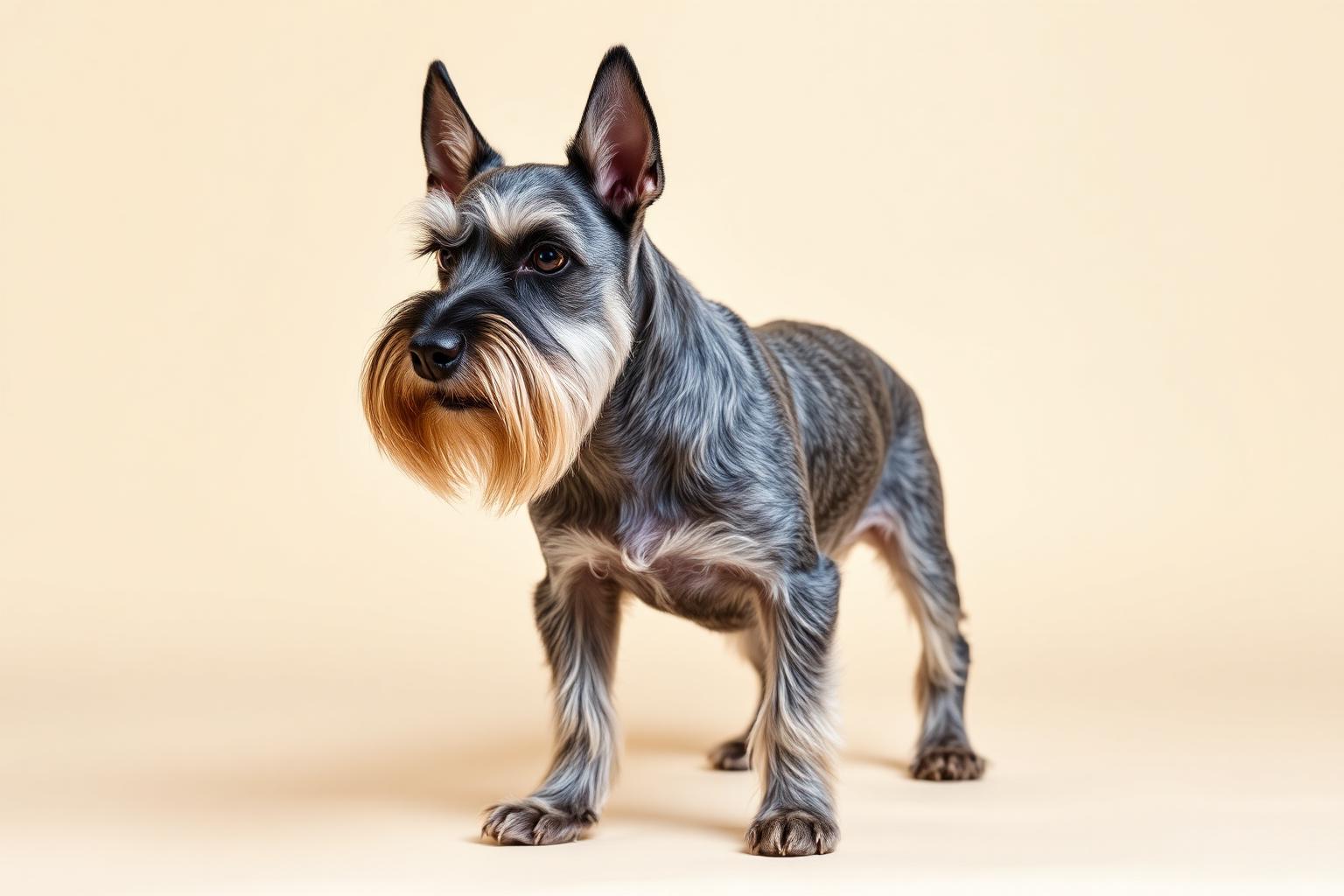
8.5Intelligent, brave and barely sheds. His wiry coat needs stripping or grooming. Excellent watchdog.