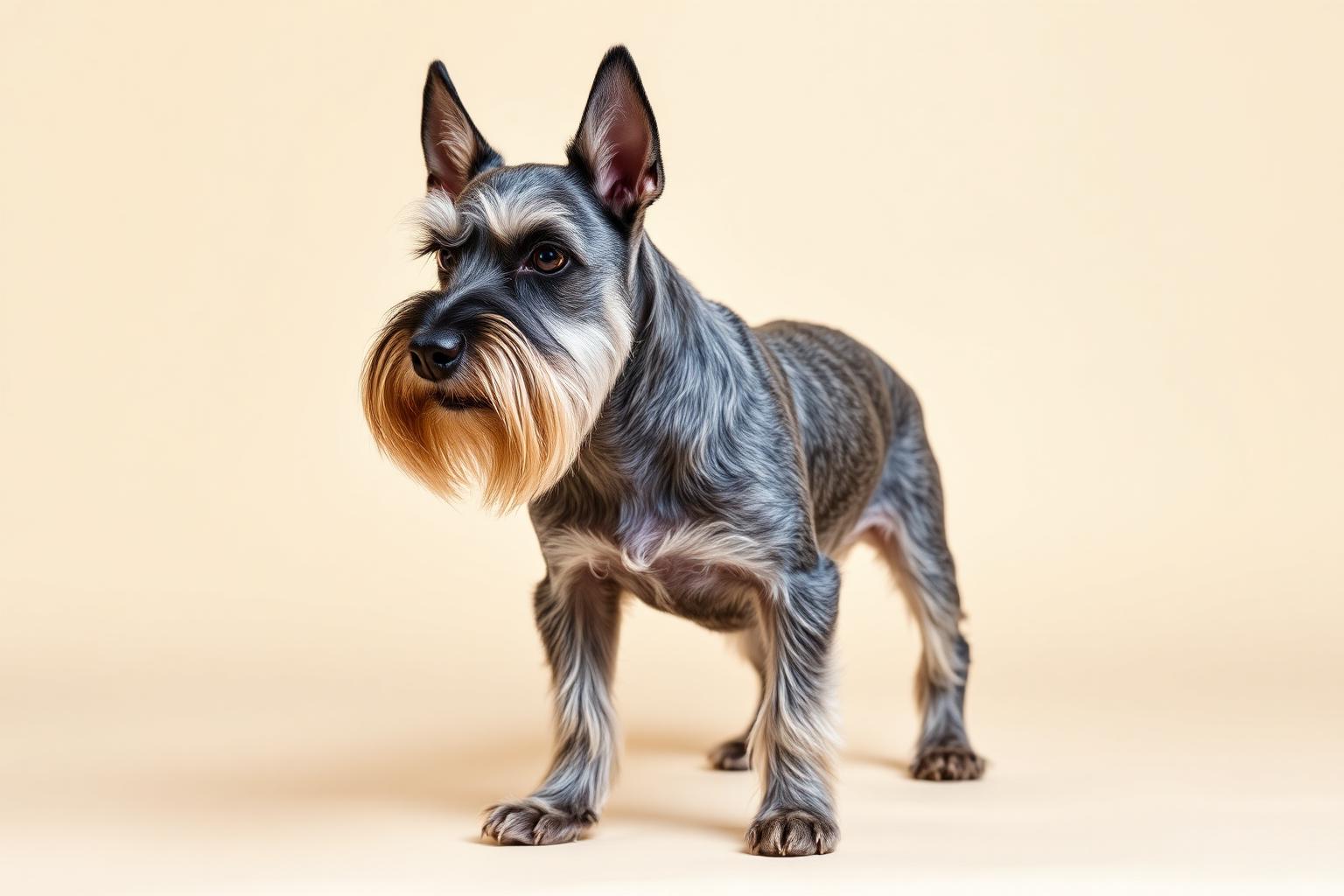
Schnauzer
"A bearded protector: intelligent, non-shedding, and fiercely loyal to its pack."
Overview
The Schnauzer is often called the "all-purpose" dog, blending intelligence with a protective, spirited personality. In a family environment, they are deeply devoted "velcro dogs" that want to be involved in every household activity. Their iconic beard and eyebrows originally protected them from pests on German farms, and that working-dog heritage remains today in their high energy and alert nature. They are fantastic with children, often taking on a "nanny" role, though they are sensible enough to need their own space when things get too rowdy.
Training a Schnauzer requires a firm but fair approach, as their sharp minds can lead to a bit of stubbornness if they find a routine boring. They are highly intelligent and learn commands quickly, but they will test boundaries periodically to see who is really in charge. Socialization is crucial from puppyhood to manage their natural suspicion of strangers; otherwise, their deep, gravelly bark might become a nuisance for neighbors. They thrive in homes where they have a "job" to do, whether it's learning tricks or participating in dog sports.
Health and maintenance are key considerations for this breed. They are famous for being hypoallergenic, making them an excellent choice for allergy sufferers, but their coat requires professional grooming and frequent beard cleaning to prevent mats. A critical health warning for families is their predisposition to pancreatitis; they cannot handle fatty table scraps and must remain on a strict, low-fat diet. If you invest in their education and health, you will have a sturdy, loyal protector that remains active and playful well into its senior years.
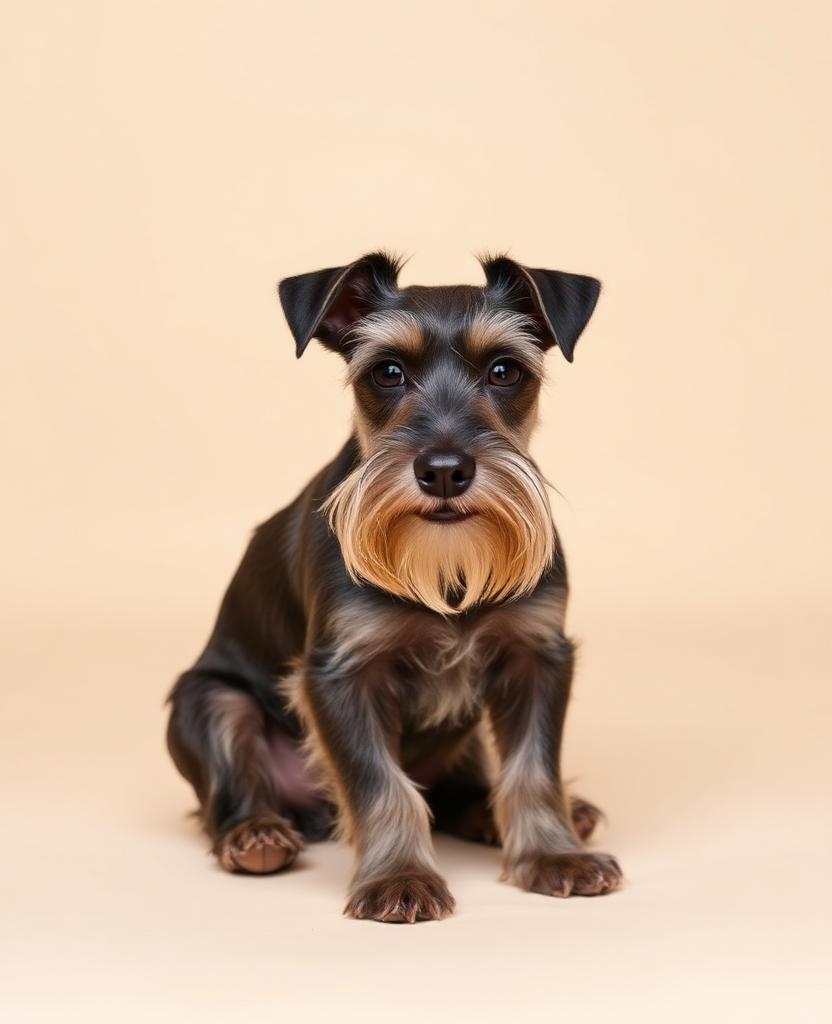
Key facts
- Size
- Medium
- Weight
- 6–25 kg
- Life expectancy
- 12–15 years
- Daily exercise
- 60 min/day
- Estimated total
- 165€/month
- Country
- Germany
Character & temperament
The Schnauzer is courageous, spirited, and highly devoted. They aren't just 'pets'; they consider themselves full partners in the household. Their temperament is characterized by a high intelligence that can sometimes border on stubbornness—they will often weigh your commands to see if they make sense to them. They are playful and have a great sense of humor, often engaging in 'zoomies' or bringing you toys to initiate interaction.
With strangers, they are naturally reserved and observant. They will not immediately run up to greet someone they don't know, preferring to stand back and assess the situation. This makes them superb watchdogs; they have a keen sense of who belongs and who doesn't. They are not prone to biting without cause, but they will certainly use their deep, gravelly bark to announce any perceived intruder or unusual sound near their home.
Towards their owners, they are incredibly loyal and often described as 'velcro dogs' with a boundary. They want to be in the same room as you, watching your every move, but they are also sturdy enough to enjoy their own space. They thrive on human companionship and can become neurotic or destructive if excluded from family activities. Their bond is deep, and they are intuitive enough to pick up on their owner's moods, offering comfort when needed.
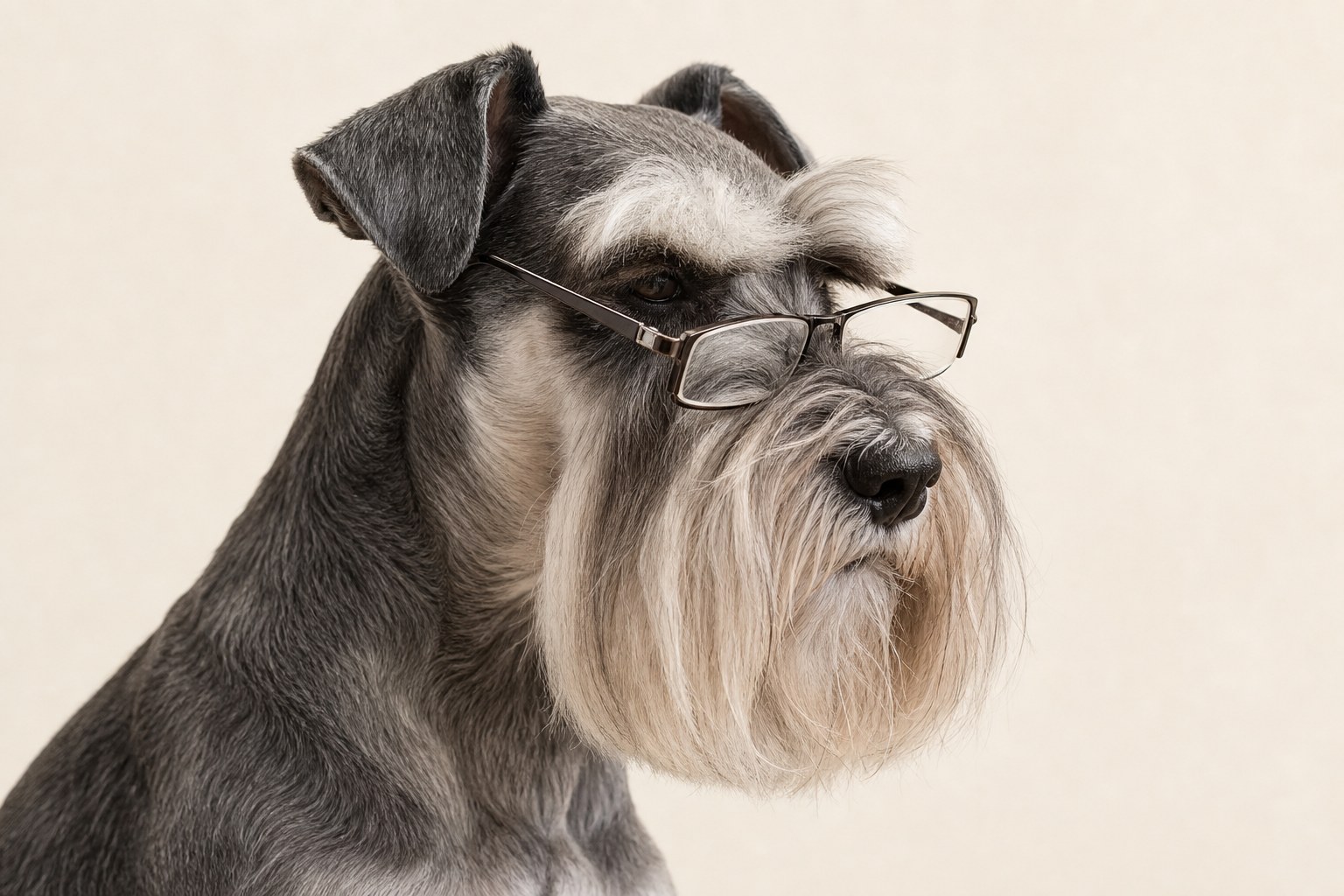
Their signature trait
Living with children
The Schnauzer is a fantastic choice for families with children, provided the dog is respected. With school-aged kids (6-12) and teenagers, they are tireless playmates, always up for a game of fetch or a long walk. They are sturdy enough to handle the occasional clumsy hug, but they also have a strong sense of personal dignity. They often take on a 'nanny' role, keeping a watchful eye on the children's activities and alerting parents to any perceived danger.
With toddlers and infants, the Schnauzer is generally patient but can be overwhelmed by erratic movements or ear-pulling. Because of their high energy and 'bouncy' nature, they might accidentally knock over a small child. It is vital to teach children how to approach the dog and provide the Schnauzer with a crate or safe space where they can retreat when they need a break. Early socialization ensures that the dog views children as part of the pack to be protected, rather than something to be herded or nipped.
With other pets
They generally get along well with other dogs, especially if raised together. However, some can be 'same-sex aggressive' or bossy in dog parks. Their history as ratters means they have a high prey drive; they might coexist with a confident cat indoors, but they will almost certainly chase a stray cat or a rabbit in the garden. Small pets like hamsters or guinea pigs are not recommended in a Schnauzer household, as their instinct to hunt vermin is very hard to train away. Always introduce new pets slowly and on neutral ground.
Health & prevention
Schnauzers are generally robust, but they have a unique metabolic quirk: they are prone to hyperlipidemia (high fat in the blood). This makes them highly susceptible to pancreatitis, a painful and potentially fatal inflammation of the pancreas often triggered by fatty foods. Owners must be extremely strict about no table scraps. Other issues include 'Schnauzer bumps' (skin comedones), hip dysplasia, and certain eye conditions like cataracts. Regular blood tests to monitor lipid levels are recommended as they age.
With a lifespan of 12-15 years, a Schnauzer remains active well into its senior years. Prevention is key: focus on a low-fat diet and dental hygiene, as their beard often traps bacteria that can lead to gum disease. Annual vet check-ups should include a thorough heart auscultation, as some lines can develop mitral valve disease. Keep them lean; an overweight Schnauzer is a ticking health time bomb regarding metabolic issues.
Health risks
- •Pancreatitis
- •Skin problems
Care
Nutrition
Because of their predisposition to pancreatitis and hyperlipidemia, nutrition is the most critical pillar of Schnauzer health. They should be fed a high-quality, low-fat diet. Look for foods where fat content is around 10-12% on a dry matter basis. Avoid feeding treats that are high in oil or salt. A standard 15kg adult Schnauzer typically needs about 200-250g of kibble daily, split into two meals. Obesity should be avoided at all costs, as even a couple of extra kilos significantly increases their metabolic risk and puts stress on their joints.
Grooming & hygiene
The Schnauzer has a double coat: a wiry outer layer and a soft undercoat. To keep their weather-resistant texture and color, 'hand-stripping' is the professional standard. However, most pet owners choose 'clipping,' which makes the coat softer but loses some color vibrancy. You must brush their beard and 'furniture' (leg hair) at least 2-3 times a week to prevent painful mats and to remove food debris from the beard. Bathing should happen once a month. Expect grooming costs to be a significant part of your annual budget.
Exercise & training
Exercise plan
A balanced week needs both physical and mental stimulation. Monday-Friday: Two 30-minute brisk walks plus one 15-minute training session or nose-work game at home to tire their brain. Weekends: At least one 90-minute hike in nature or a visit to a dog park for socialization. They excel at agility or obedience trials, which can replace a walk. Without this 'job' to do, they may become destructive or excessively barky at the window. Daily playtime with a ball or frisbee is essential for their high energy levels.
Training
Training a Schnauzer requires a 'firm but fair' hand. They are brilliant and pick up new commands within 5 to 10 repetitions, but they get bored easily. If you repeat the same basic 'sit' twenty times, they will stop responding. Use positive reinforcement with high-value treats (low fat!) and lots of variety. Socialization is paramount from puppyhood to curb their natural suspicion of strangers and prevent dog-to-dog aggression. You must be consistent; if you let them on the sofa once, they will assume the rule has changed forever. They excel in advanced obedience, rally, and agility, which are fantastic ways to channel their working-dog energy.
Monthly cost
Monthly estimate for a standard schnauzer. Includes high-quality low-fat kibble, proportional grooming costs (6 sessions/year), and basic health insurance. Vet costs are averaged over the lifespan.
Estimate for Spain, healthy adult dog. Varies by region and provider.
Pros & cons
Pros
- ✓Virtually shed-free, making them ideal for clean homes.
- ✓Excellent watchdogs who take their job very seriously.
- ✓Highly intelligent and capable of learning complex tasks.
- ✓Sturdy and robust, suitable for all types of outdoor activities.
- ✓Strong bond with their family and very protective of children.
Cons
- !Requires professional grooming (stripping/clipping) every 6-8 weeks.
- !Can be 'vocal' and bark at any movement outside the house.
- !Strong prey drive means they may chase small pets or cats.
- !Prone to high blood fats (hyperlipidemia) requiring a strict diet.
- !They are 'thinking' dogs and can be stubborn if bored with routine.
Ideal for
- • Families with school-aged children who want an active playmate.
- • Active adults who enjoy hiking and weekend outdoor adventures.
- • People with mild allergies looking for a non-shedding companion.
- • Homeowners wanting a vigilant, natural-born watchdog.
Not recommended for
- • Families who are away from home for more than 8 hours daily.
- • Owners who want a 'couch potato' dog with zero barking.
- • Novice owners unwilling to invest in professional training and grooming.
How it fits each scenario
Doable, but they are 'alert barkers' who might annoy neighbors if not trained early.
Great, but ensure the fence is secure as their prey drive is high.
They manage well, but avoid midday exercise due to their thick darker coats.
Very hardy; their double coat protects them well from snow and wind.
Good, but their high energy can knock down small children; supervision is key.
Fantastic friends; they are sturdy enough for games and very protective.
Challenging; they will test your limits and need consistent, firm leadership.
Ideal; you will enjoy their sharp intellect and their desire to work with you.
Perfect matches; they will keep up on any mountain trail and love the action.
Not recommended; their intelligence turns into mischief when left alone for long hours.
Excellent choice; their wiry coat traps dander, making them very allergy-friendly.
Mid-range; grooming and specific low-fat diets add up over time.
Origin & history
The Schnauzer originated in the regions of Bavaria and Baden-Württemberg in Germany. They evolved from wire-haired pinschers and were used by farmers as versatile workers. Their primary job was ratting—clearing stables of vermin—but they were also used to guard carts and drive livestock. Throughout the centuries, they were crossbred with the Grey Wolf Spitz and later the Black Poodle to solidify their coat texture and salt-and-pepper coloration. Unlike many terriers from the UK, Schnauzers weren't bred to go underground after prey, but rather to be alert, sturdy guardians and efficient hunters above ground. Their name was officially adopted in 1879, derived from a show-winning dog named 'Schnauzer'.
The name 'Schnauzer' comes from the German word for 'snout' or 'muzzle' (Schnauze), referring to their distinctive bearded face.
Frequently asked questions
Are Schnauzers good family dogs for children?▾
Standard and Giant Schnauzers are great for kids, though the Miniature can be a bit more 'nippy' if not socialized. They are sturdy, playful, and very protective of their 'human pack'. Always supervise toddlers as Schnauzers can be bouncy.
Is a Schnauzer truly hypoallergenic?▾
Yes, they are considered hypoallergenic because they shed very little. However, they produce saliva and dander like all dogs. Most allergy sufferers do very well with them, especially if the coat is kept short.
Do Schnauzers bark a lot?▾
They are 'alert barkers'. They will let you know if the mailman arrives or if a leaf blows by. You can train them to stop after two barks, but don't expect a silent dog; it's in their DNA.
How much does a Schnauzer puppy cost?▾
Expect to pay between €800 and €1,500 in Spain for a puppy from a reputable breeder with health clearances. Avoid 'bargain' puppies, as Schnauzers are prone to hereditary heart and eye issues.
How often do they need to visit the groomer?▾
Professional grooming is needed every 6 to 8 weeks. If you want the classic look, 'stripping' (pulling dead hair) is best, but many families opt for 'clipping' which is softer and easier to maintain day-to-day.
Are they easy to train for a first-time owner?▾
They are highly intelligent but also independent. They learn commands quickly but will ignore them if they find a better 'job' to do. Consistency and positive reinforcement are mandatory to prevent them from taking charge.
How much exercise does a Schnauzer need?▾
They need about 60 minutes of active exercise daily. This should include walking and mental games. A bored Schnauzer is a Schnauzer that chews your furniture or digs up your garden.
What is the typical lifespan of a Schnauzer?▾
12 to 15 years is standard. They are generally healthy, but keeping them at a lean weight is crucial to prevent pancreatitis, a common and dangerous metabolic issue in this breed.
Similar family-friendly breeds
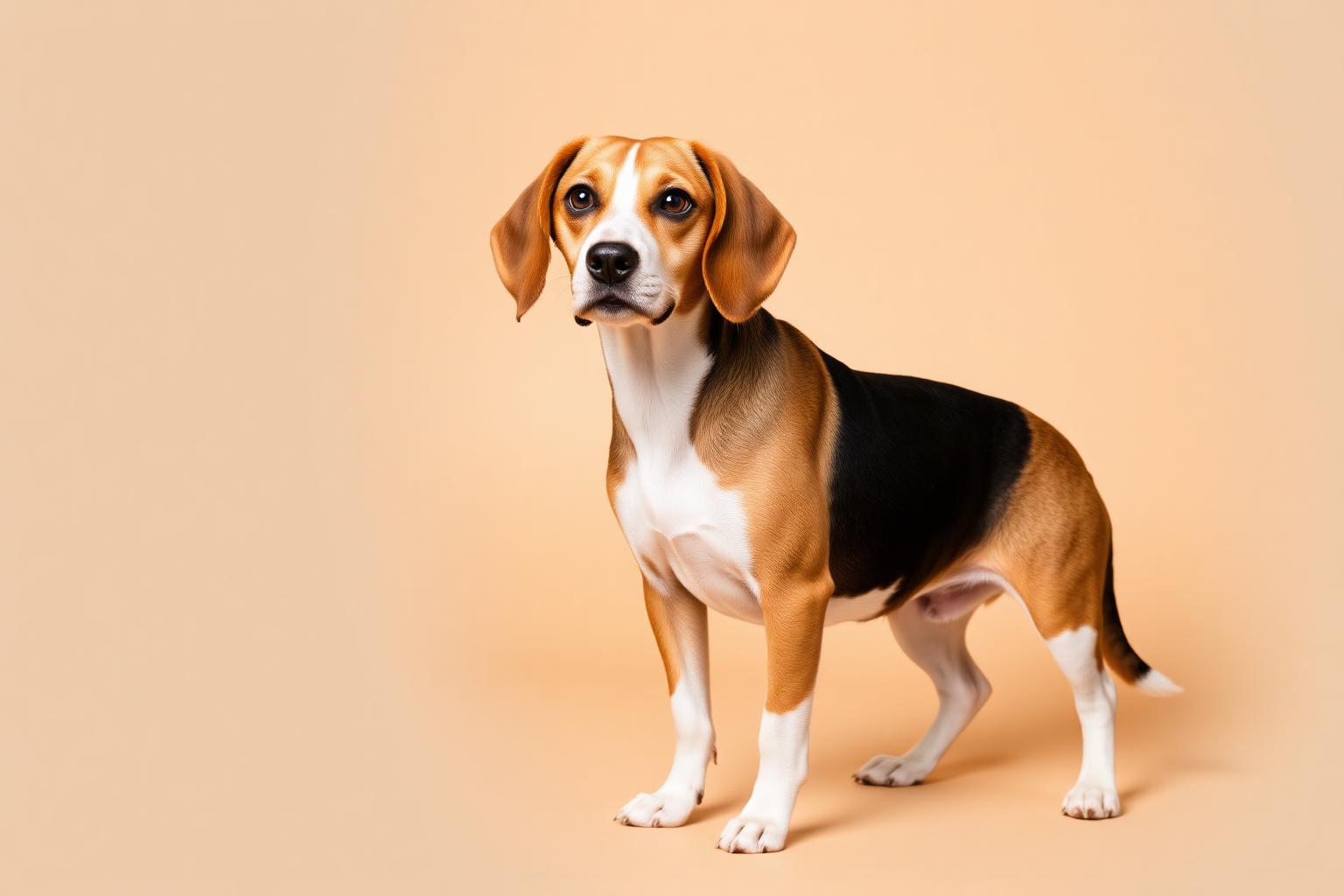
Beagle
9.0Curious, cheerful and very sociable. Needs daily exercise and company. His nose takes him far: always on leash.
HypoallergenicSchnauzer
8.5Intelligent, brave and barely sheds. His wiry coat needs stripping or grooming. Excellent watchdog.
 Hypoallergenic
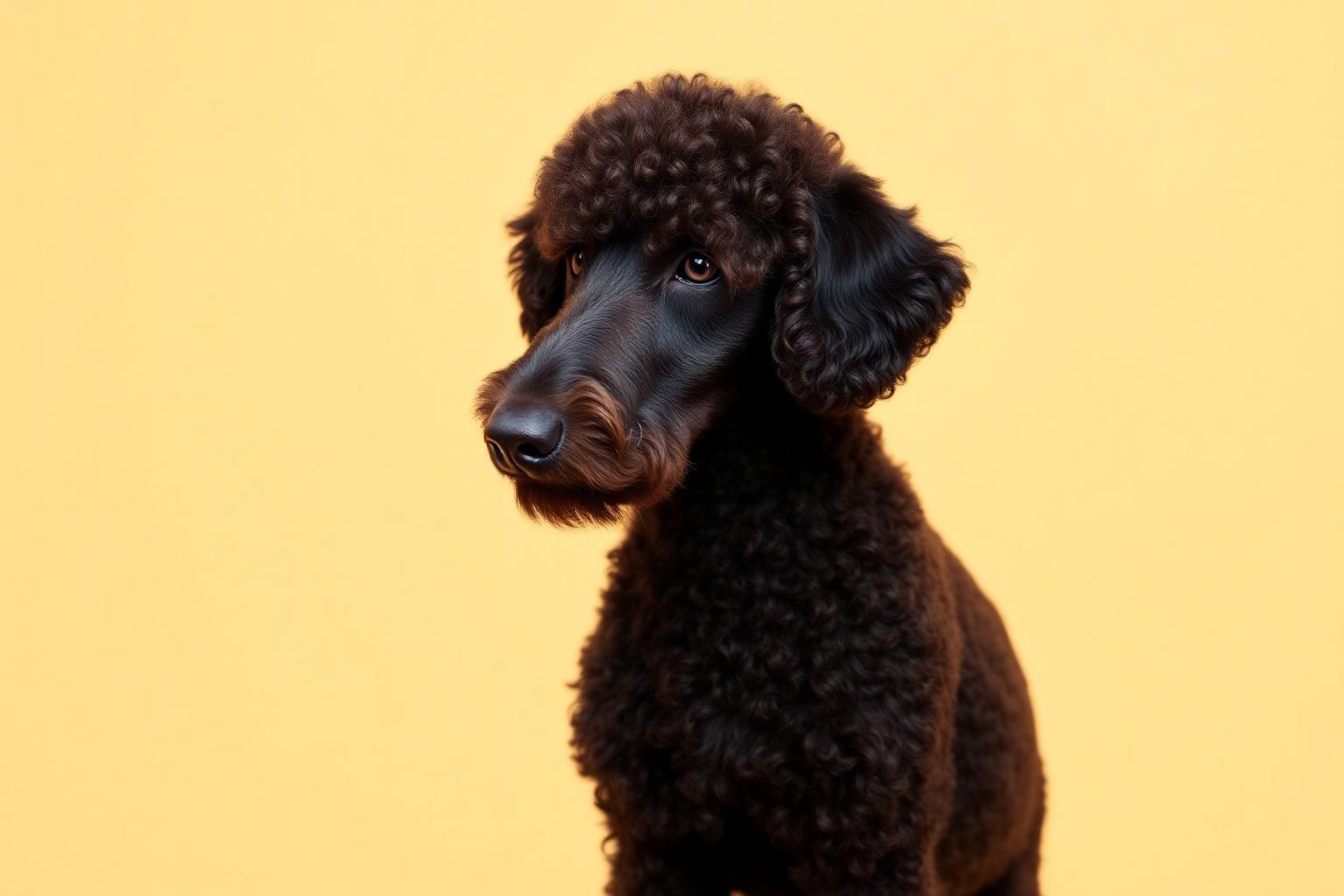
Poodle
9.5Intelligent, elegant and hypoallergenic. Available in several sizes to suit any home. Requires regular grooming.