Teach your dog to heel
The difference between not pulling and formal obedience.
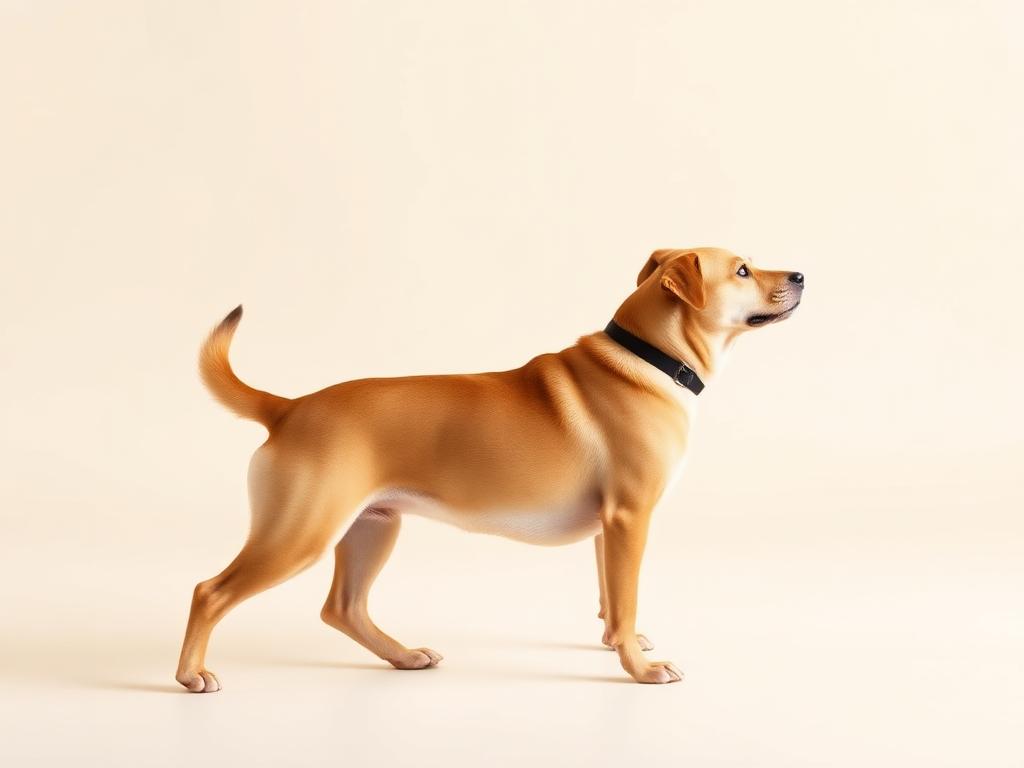
Heel isn't just walking without pulling: it's walking glued to your leg, looking up, in a specific position. It's the star exercise in obedience trials and the foundation of dog sports.
What you get
- Walking through crowds safely
- Foundation of sport obedience
- Demonstrates real connection between you and your dog
It's the exercise that best visualizes the word "team".
Before you start
- · Loose-leash walking
- · Name attention
Materials
- · Small fast-eat treats
- · Distraction-free space to start
Step by step
- 1
Starting position
Your dog sits at your left (or right, pick one and stick to it). Head aligned with your knee. Reward that position 10 times.
- 2
One step, reward
Say "heel", take ONE step, if he follows keeping position: treat. Just one step. Repeat 10 times.
- 3
Add steps
Two steps, three, five. Every time he loses position (gets ahead, behind, drifts), stop and restart.
- 4
Add turns
Turn right (away from him): he has to speed up to keep pace. Turn left (into him): he has to slow down. Each clean turn = treat.
- 5
Pace changes
Walk normal, now slow, now fast. He must match your pace without losing position.
- 6
Off-leash
When everything above is solid, try off-leash in an enclosed space. Only then.
Common mistakes
- Rewarding ahead of position
- Sessions longer than 5 minutes (mentally exhausting)
- Switching sides mid-learning
If something isn't working
He looks at the ground instead of you
→ Carry treats at waist height, not in your pocket. He'll look up expecting them.
Pro tips
- Show-quality heel is trained in 90-second sessions. Quality over quantity.
Deep dive
The heel exercise is the foundation of every obedience dog sport, from IGP to Rally. It requires precision, repetition and a dog motivated by connection with his handler.
Other exercises in this level
Loose-leash walking
Possibly the most frustrating exercise of all. Also the one that improves your daily life the most.
Teach "leave it"
What separates a trained dog from a four-legged vacuum cleaner.
Teach drop it
When it's already in his mouth, what matters is that he lets go without a fight.
Teach shake / give paw
Everyone's favourite party trick.
Wait at the door
The most cost-effective rule: 10 seconds before every walk.
Go to bed / crate
A safe place your dog goes to on cue when you need him there.