Teach "leave it"
What separates a trained dog from a four-legged vacuum cleaner.
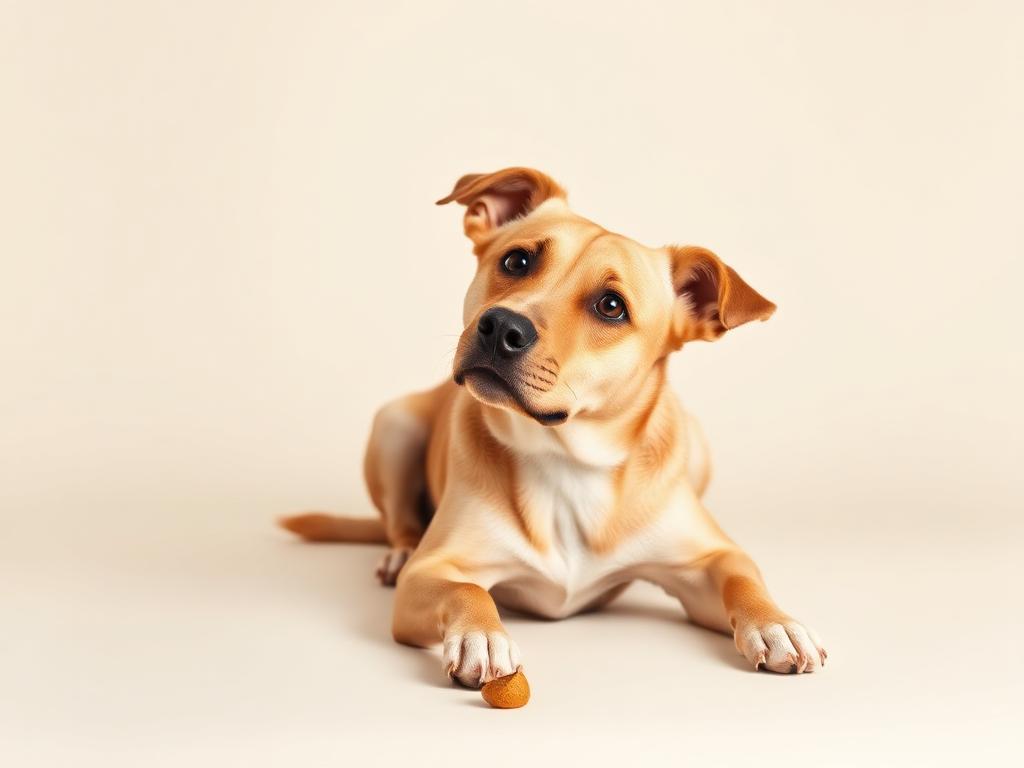
"Leave it" means: whatever you were about to grab with your mouth, don't. Well-trained, it can prevent food poisoning on the street or a sock in the stomach at home.
What you get
- Prevents poisoning from street food
- Saves socks, children's toys and cables
- Reduces owner anxiety on walks
It's the cue that saves the most canine lives after recall.
Before you start
- · Knows sit
- · Recognises his name
Materials
- · Boring treats in hand (kibble)
- · High-value treats in pocket (cheese, chicken)
Step by step
- 1
Closed hand
Take a kibble in your closed fist and show it to him. He'll lick, mouth, try to pry it open. Wait. The exact second he pulls back (even for a breath), mark "yes!" and give the high-value treat from the other pocket.
- 2
Add the word
After 10 clean reps, say "leave it" right before showing the fist. The word starts predicting the behaviour.
- 3
Open hand
Same idea, but now with open hand and the kibble visible. If he goes for it, close the fist. If he waits: "yes!" and treat from the other pocket.
- 4
Treat on the floor
Put kibble on the floor. Cover it with your foot if he goes for it. Reward with a better one from your hand.
- 5
On the walk
Walk through an area you know has food (market, terrace). Before he smells it, say "leave it". If he ignores: huge reward.
Common mistakes
- Yelling the word when he already has something in his mouth (that's "drop it", different cue)
- Not rewarding after: he stops believing the deal
If something isn't working
He leaves it but stares at it intensely
→ Ask for a focus switch: say his name. Reward looking at you, not just ignoring the food.
Pro tips
- Leave it generalizes to other dogs, cats, squirrels, running children. Anything your dog wants to grab.
Deep dive
The "leave it" cue is probably the most important for your dog's food safety outdoors. Hundreds of poisoning cases from metaldehyde or antifreeze baits are recorded every year; a dog with a reliable leave-it cue is infinitely better protected.
Other exercises in this level
Loose-leash walking
Possibly the most frustrating exercise of all. Also the one that improves your daily life the most.
Teach your dog to heel
The difference between not pulling and formal obedience.
Teach drop it
When it's already in his mouth, what matters is that he lets go without a fight.
Teach shake / give paw
Everyone's favourite party trick.
Wait at the door
The most cost-effective rule: 10 seconds before every walk.
Go to bed / crate
A safe place your dog goes to on cue when you need him there.